

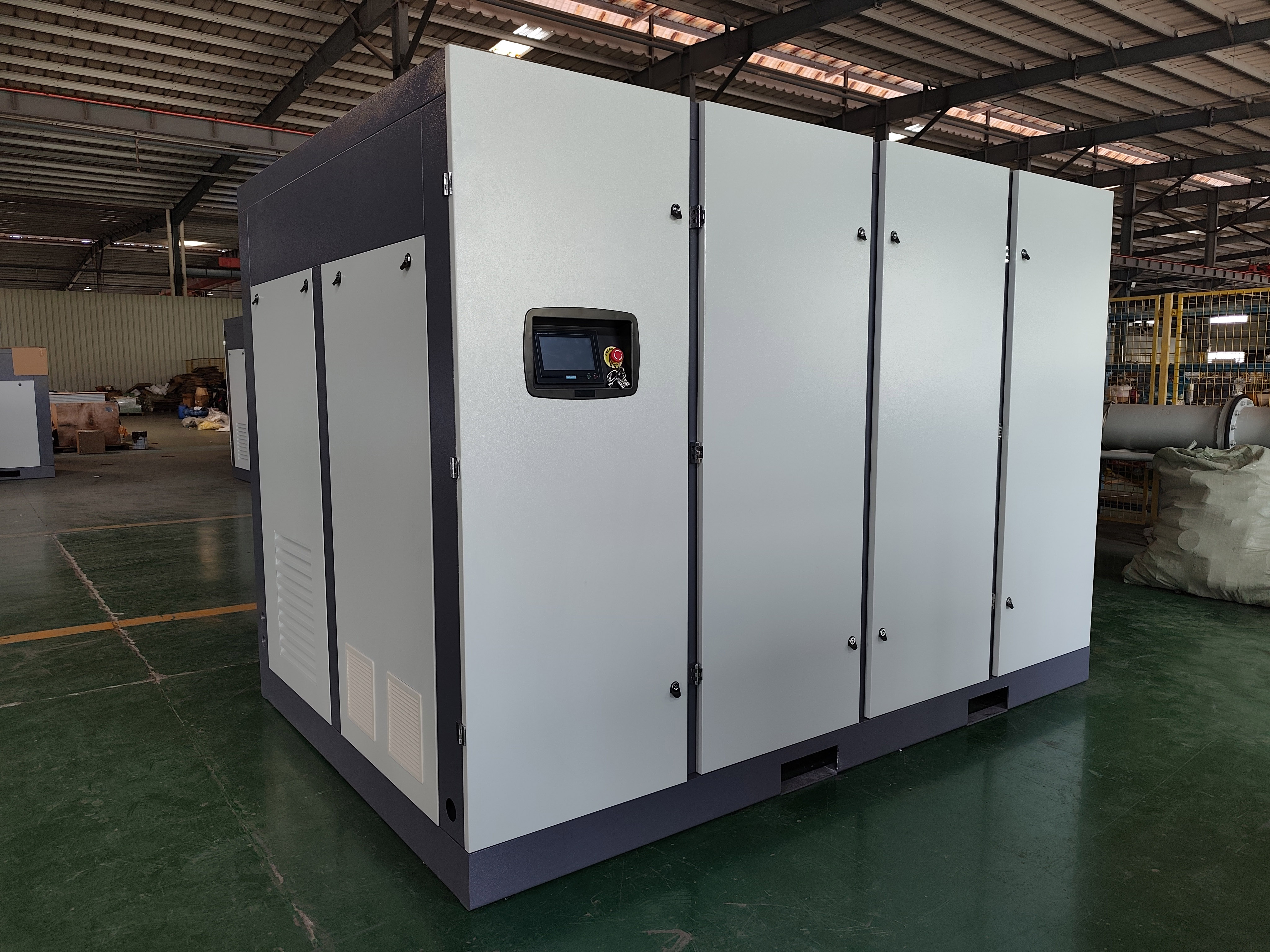
In industrial production, where air compressors serve as core air supply equipment, automatic shutdown due to high-temperature tripping is one of the most common faults—and one that most significantly impacts the continuity of production lines. Most screw air compressors are configured to trigger a high-temperature protection trip when the discharge temperature exceeds 105°C. If this issue occurs frequently, it directly leads to production line stoppages and reduced output; furthermore, persistent faults can exacerbate wear on the main unit, shorten the equipment's service life, and increase maintenance costs. Drawing upon years of experience, Jiangxi Aisa outlines the causes of high-temperature issues and provides corresponding resolution methods below.
I. Rapid Diagnosis: Core Triggers for Air Compressor High-Temperature Trips
An air compressor high-temperature trip is rarely caused by a single isolated fault; the core issues typically center on five key modules: cooling system failures, anomalies in the lubrication oil system, failure of temperature control components, substandard operating environments, and electrical or mechanical malfunctions. In daily operations, over 90% of high-temperature trip issues stem from poor heat dissipation or anomalies in the lubrication oil. Troubleshooting should proceed systematically, following the sequence of "simple issues before complex ones, and external factors before internal ones."
II. Step-by-Step Troubleshooting and Solutions (General Standard Edition)
(I) Basic Environment and Operating Condition Checks (Prioritize Self-Inspection; Zero-Cost Solutions)
Many high-temperature trips are not caused by equipment malfunctions, but rather by installation or operating environments that fail to meet required standards. Prioritizing these checks allows for the rapid elimination of fundamental issues:
1. Excessively High Ambient Temperature: The standard operating ambient temperature range for air compressors is 5°C to 40°C. If the compressor room is enclosed and poorly ventilated—particularly in the summer when room temperatures may exceed 45°C—heat dissipation efficiency drops drastically, making it highly likely to trigger a high-temperature trip.
Solution:Ensure the compressor room remains well-ventilated; install exhaust fans or a fresh air intake system; prevent direct exposure of the equipment to sunlight; and maintain adequate clearance around the equipment to facilitate heat dissipation and maintenance access.
2. Blocked Air Ducts / Obstructed Heat Dissipation: After prolonged operation, dust, lint, and debris may accumulate around the compressor body and cooling components. This accumulation prevents the proper circulation of hot and cold air, leading to a buildup of heat.
Solution: Regularly clear debris from the area surrounding the equipment; ensure that both the air intake and air outlet remain unobstructed; and maintain clear, open air ducts. (II) Troubleshooting the Cooling System (The Most Common Failure Point)
The cooling system is the core component responsible for regulating the air compressor's temperature. Specific troubleshooting procedures are required for both air-cooled and water-cooled models:
1. Specific Troubleshooting for Air-Cooled Compressors
I. Clogged Cooler: Over time, dust and oil residue accumulate on the cooler's fins, reducing the effective heat dissipation area and causing a drastic drop in cooling efficiency. This can be remedied by reverse-blowing with clean compressed air at 0.6 MPa. If the oil residue is heavy, a specialized cleaning agent should be used in conjunction with the blowing process; allow the unit to dry completely before restarting.
II. Cooling Fan Failure: Damage to the fan motor, seized bearings, or insufficient rotational speed can all result in an inadequate airflow for cooling. The operational status of the cooling fan must be inspected.
2. Specific Troubleshooting for Water-Cooled Compressors
Focus on inspecting the cooling water flow rate, temperature, and quality: Excessively high water temperatures, insufficient water pressure, clogged pipelines, or a malfunctioning cooling tower can lead to inadequate heat exchange. Additionally, excessively hard water can easily cause scale buildup within the cooler and lead to pipeline blockages.
Solutions: Ensure the cooling water temperature remains ≤ 32°C. Clean scale deposits from the pipelines and filters, and regularly clean the cooling tower. If necessary, install a water softening device to ensure proper water circulation.
(III) Troubleshooting Lubrication System Anomalies (The Root Cause of Core Component Wear and High Temperatures)
The air compressor's lubricating oil serves three primary functions: lubrication, cooling, and sealing. Anomalies regarding the oil quality, oil level, or oil circulation pathways are the primary internal causes of high-temperature shutdowns:
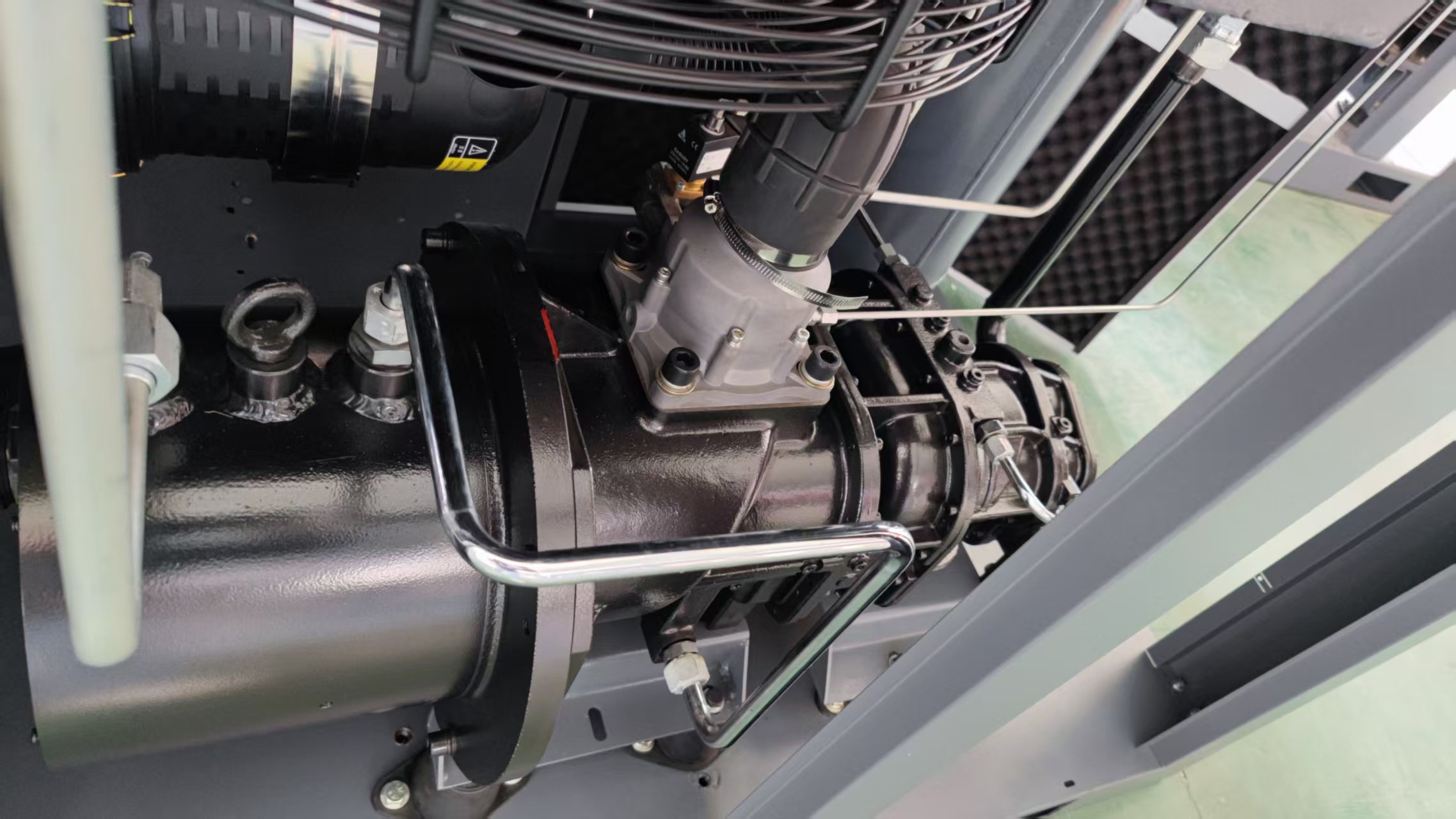
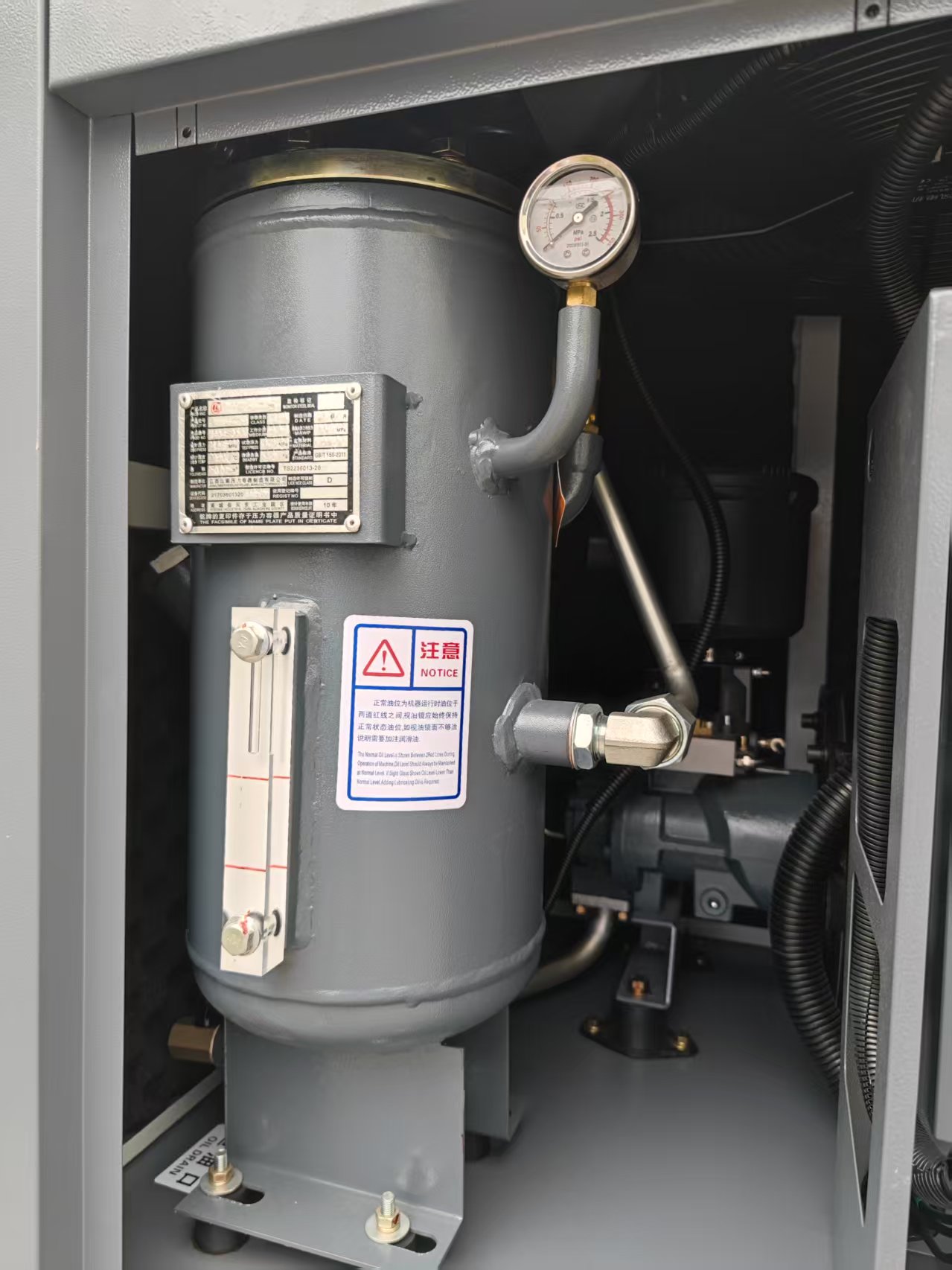
1. Insufficient Lubricating Oil Level: When observing the oil level via the sight glass, the level must be maintained within the designated red-line zone. An excessively low oil level results in an insufficient volume of circulating cooling oil, causing the main compressor unit to heat up too rapidly due to friction.
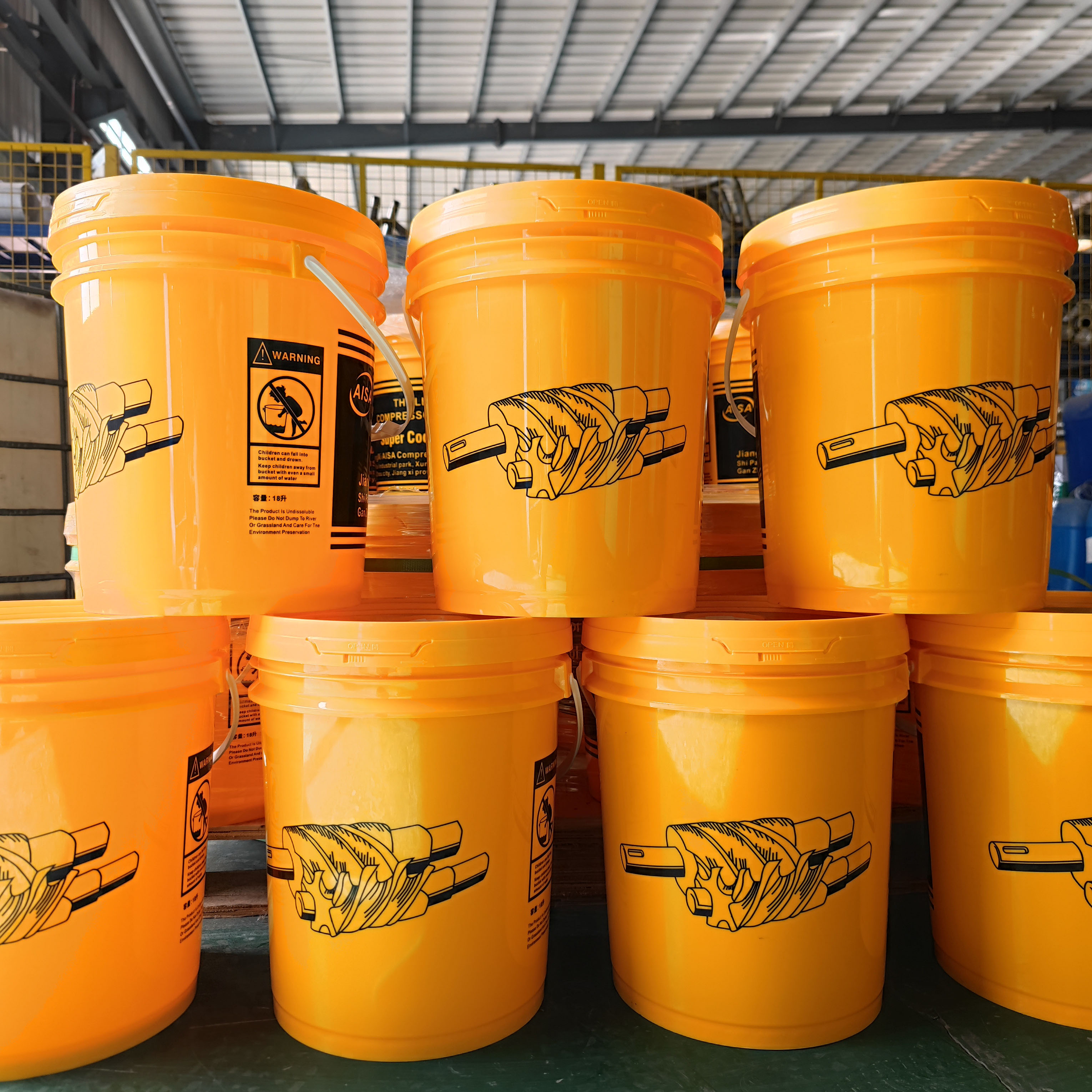
Solutions: After shutting down the unit and depressurizing the system, replenish the oil using the specific, dedicated air compressor lubricant of the exact same model. Mixing different brands or models of oil is strictly prohibited.
2. Deteriorated Oil or Incorrect Oil Selection: Prolonged use of lubricating oil beyond its service life can lead to emulsification, discoloration, and a loss of viscosity, preventing the formation of an effective oil film and resulting in a complete loss of cooling and lubricating capabilities. Furthermore, selecting an oil with an incompatible viscosity rating will also lead to high-temperature issues.
Solutions: Regularly replace the oil with the manufacturer's original, dedicated lubricant. Strictly adhere to the equipment's operating conditions and specifications when selecting the appropriate oil type. 3. Clogged Oil Filter Elements: Blockages in the oil filter or oil separator element create high resistance within the oil circulation circuit and result in insufficient oil supply. If the pressure differential across the filter element exceeds 0.1 MPa, it will inevitably lead to a rapid rise in temperature.
Solution: Monitor the pressure differential across the filter elements; promptly replace any clogged oil filters or oil separator elements to ensure smooth oil circulation.
(IV) Troubleshooting Temperature Control and Sensing Components (False High-Temperature Trips)
In some cases, equipment may frequently trip despite there being no actual overheating. These are often "false faults" caused by the malfunction of temperature control components:
1. Temperature Control Valve (Thermal Control Valve) Failure: If the temperature control valve jams or fails, it cannot properly switch between the "small loop" (internal circulation) and "large loop" (external circulation). Consequently, the lubricating oil remains stuck in the small loop, bypassing the cooler and preventing heat dissipation, causing the oil temperature to rise continuously until a trip occurs.
Troubleshooting Method: Start the machine and observe the rate at which the oil temperature rises. If a new machine or fresh oil supply still heats up rapidly, a temperature control valve failure is highly probable; the valve must be disassembled for repair or replaced entirely.
2. Temperature Sensor Failure: Sensor aging, calibration drift, or short circuits can transmit erroneous high-temperature signals to the controller, triggering a protective trip.
Troubleshooting Method: Compare the temperature displayed on the controller with actual temperature readings taken manually. If the discrepancy between the data sets is significant, calibrate or replace the temperature sensor to restore normal operation.
(V) Troubleshooting Electrical and Main Unit Mechanical Faults (Advanced Faults)
If basic troubleshooting reveals no anomalies, it is necessary to inspect the electrical system and core mechanical components:
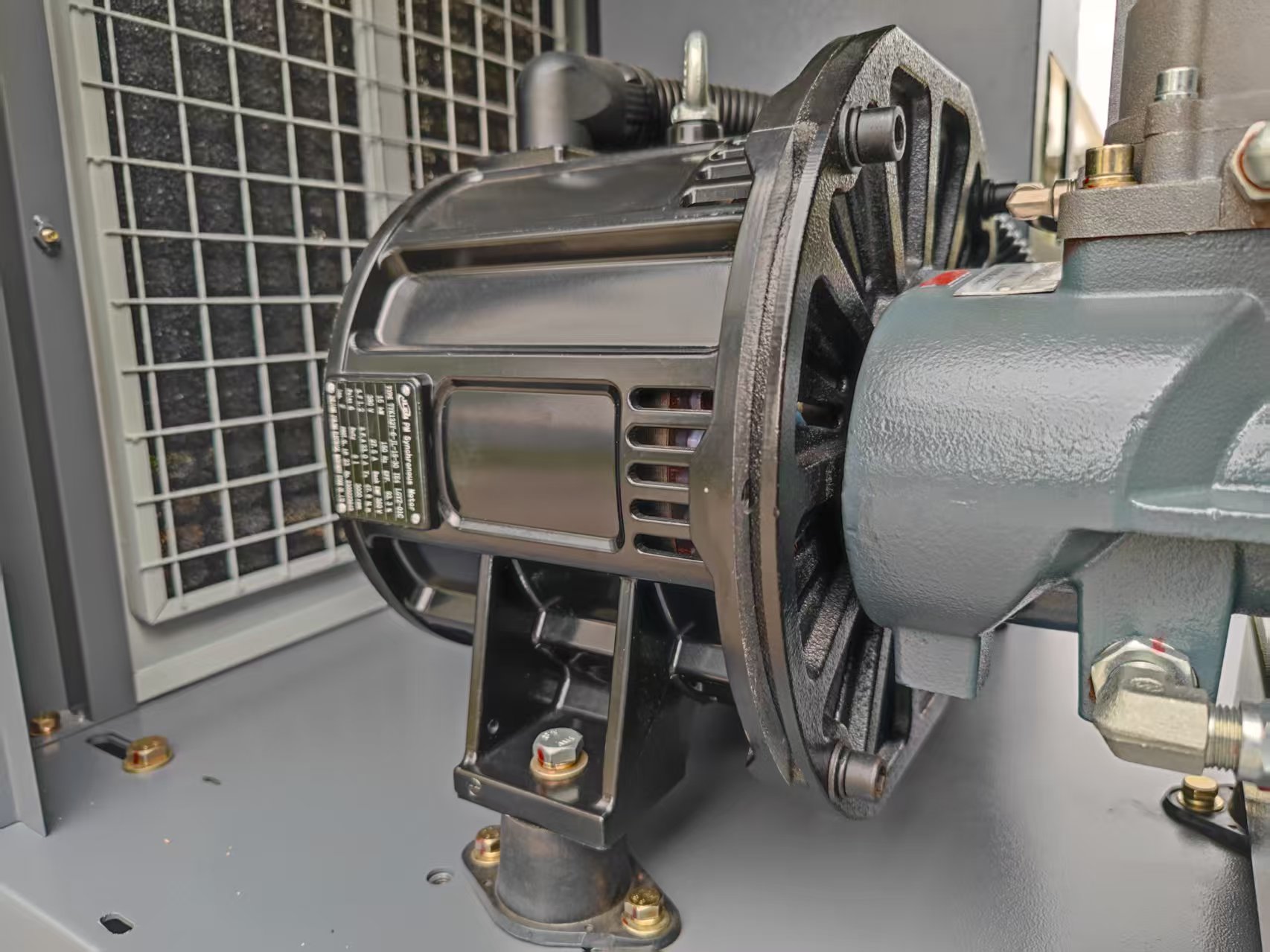
1. Electrical Anomalies: Three-phase voltage imbalance, phase loss, or motor overload can cause the motor to overheat severely, leading to a cascading rise in the temperature of the entire machine. Additionally, excessively low insulation resistance in the motor windings or worn motor bearings can also trigger high-temperature conditions.
Solution: Check the balance of the three-phase voltage and current; repair any circuit faults; dry out any moisture-affected motor windings; and replace worn motor bearings.
2. Main Unit (Air End) Failure: Wear on the main unit rotors, damaged bearings, or abnormal internal clearances can increase operational friction and mechanical heat generation, triggering a high-temperature trip. These issues are typically accompanied by abnormal noises or excessive vibration.
Solution: Shut down the machine and disassemble the main unit to inspect the internal clearances and bearing condition. Promptly repair or replace any faulty main unit components to prevent the air end from seizing up and becoming permanently scrapped. Compared to reactive repairs following a breakdown, routine maintenance is the key to preventing high-temperature shutdowns in air compressors. Drawing upon
years of experience in equipment manufacturing and after-sales service, Jiangxi Aisa Compressor provides enterprises with a set of standardized maintenance guidelines:
1. Daily Inspections:Check oil levels, ambient ventilation, fan operation, and machine body temperature daily; promptly remove any surface dust accumulation.
2. Periodic Consumable Replacement:Replace air filters, oil filters, oil separators, and specialized lubricants according to the prescribed schedule to prevent oil circuit and airflow malfunctions caused by clogged consumables.
3. Quarterly In-Depth Maintenance:Clean the cooler, inspect the temperature control valve, calibrate sensors, and assess the operational status of the motor and main compressor unit.
4. Standardized Operating Conditions: Avoid subjecting the equipment to prolonged full-load or overload operation; ensure compatibility with the compressor room's ventilation and heat dissipation capabilities, and adhere strictly to the equipment's rated operating parameters.

