

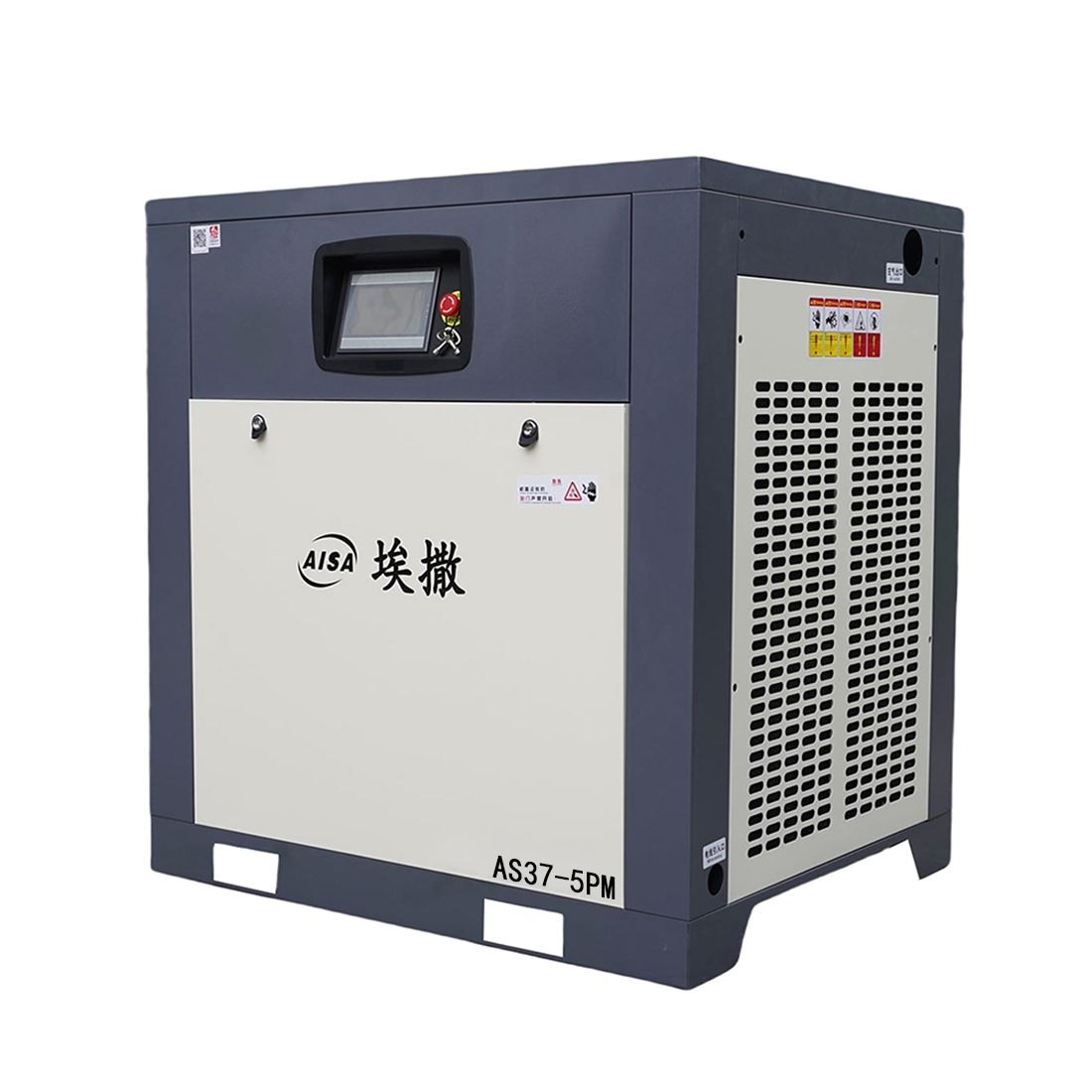
As a core power source in industrial production, the stable and efficient operation of a screw air compressor directly determines the efficiency of the production line. Standardized daily maintenance is the key to extending equipment lifespan, reducing energy consumption, and preventing sudden breakdowns. With deep expertise in the R&D and manufacturing of screw air compressors—backed by years of industry experience—Jiangxi Aisa Compressor Co., Ltd. has compiled this comprehensive guide to the daily maintenance and inspection procedures for screw air compressors, designed to help enterprises enhance the quality and efficiency of their equipment management.
I. Daily Maintenance (Per Shift / Every 8 Hours — The Core Foundation)
Daily maintenance serves as the first line of defense against equipment failure. It must be strictly executed by the machine operator and carried out across all stages: pre-startup, during operation, and post-shutdown.
(I) Pre-Startup Inspection
1. Lubricant Level and Quality Check: Five minutes after the machine has shut down, observe the oil level sight glass; the oil level must remain within the red lines marked on the window. Check the oil quality to ensure it is clear, free of impurities, and shows no signs of emulsification or discoloration. If the level is low, replenish it using the specific screw compressor oil of the exact same model; mixing different brands of oil is strictly prohibited.
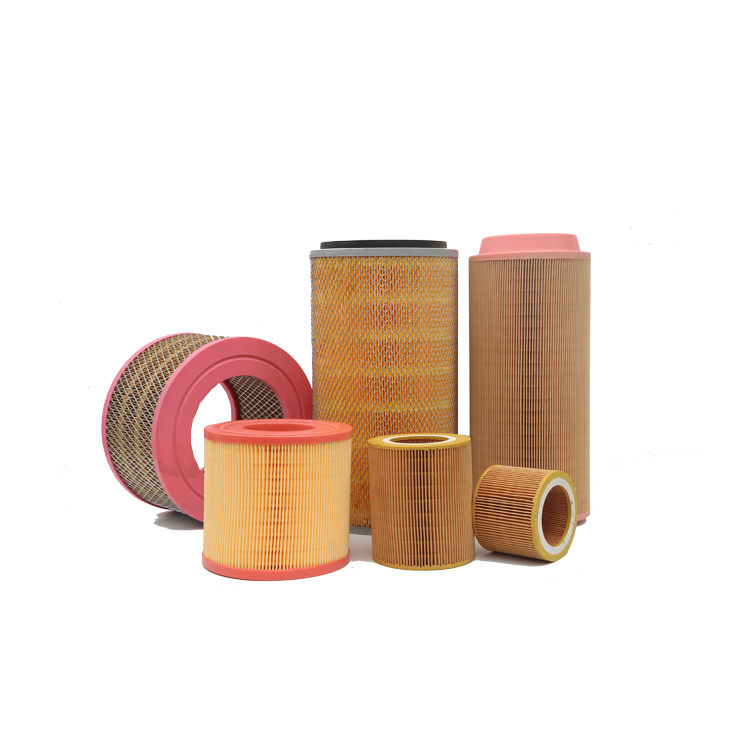
2. Air Intake System Check: Inspect the air filter for any foreign objects, and verify that the intake hose is undamaged and that all connections are tightly sealed.
3. Piping and Valve Check: Confirm that the exhaust valve and drain valve are in their correct open or closed positions, ensuring there are no potential risks of air or oil leakage. Check all pipe joints to ensure they are securely fastened and free of looseness.
4. Electrical and Control System Check: Verify that the voltage remains stable within the rated range, that the control panel displays no fault alarms, and that all indicator lights and gauges are functioning and displaying normally.
(II) In-Operation Patrol Inspection
1. Key Parameter Monitoring: Continuously monitor the exhaust pressure and exhaust temperature in real-time to ensure they remain within normal ranges (be alert if the temperature approaches 98°C). Monitor the motor current as well; if any parameters appear abnormal, shut down the machine immediately to investigate the issue.
2. Leakage and Abnormal Noise Check: Visually inspect the main unit body, the oil-gas separator tank, and all pipe joints to ensure there are no oil or air leaks. Listen closely to the operating sounds of the main compressor unit and the motor to detect any abnormal noises—such as metallic friction or severe vibration—that may indicate a mechanical issue. 3. Cooling System Inspection: For air-cooled models, verify that the cooling fan is operating normally and that the radiator is free of dust accumulation or blockages. For water-cooled models, ensure adequate cooling water flow and normal water temperature, and check for any signs of water leakage.
(III) Post-Shutdown Procedures
1. Condensate Drainage: Systematically open the drain valves on the oil-gas separator tank, air receiver tank, and air dryer to thoroughly drain all condensate. This prevents the mixing of oil and water, which can lead to oil emulsification and pipeline corrosion.
2. Equipment Cleaning: Wipe down the exterior of the unit to remove dust and oil stains. Maintain a clean environment around the equipment to ensure unimpeded airflow for effective heat dissipation.
3. Data Recording: Accurately complete the operation log, documenting the day's operating parameters, any observed anomalies, and maintenance activities. This provides essential data support for future maintenance planning.
II. Weekly Maintenance (Consolidating Details, Preventing Hidden Hazards)
Weekly maintenance focuses on cleaning, tightening, and calibration to identify and resolve latent issues that may have gone unnoticed during daily inspections. It is recommended to perform these tasks at a fixed time each week.
1. Deep Cleaning: Use compressed air to blow out the exterior surface of the air filter element (blowing from the inside out) at a pressure of 0.2–0.4 MPa. Clean dust and oil residue from the surfaces of the radiator and cooler to prevent overheating alarms caused by poor heat dissipation.
2. Pipeline and Electrical Tightening: Inspect all pipeline connections and tighten any loose bolts. Check electrical cables and terminal blocks to ensure secure connections, and verify there are no signs of damage, overheating, or oxidation.
3. Safety Device Verification: Test the safety valves, pressure switches, and alarm devices to ensure they are responsive and functioning correctly, thereby safeguarding the operational safety of the equipment.
4. Lubrication System Review: Conduct a secondary check of the lubricant level and condition, and confirm there are no leaks. Verify that the oil return line is clear and free of blockages or kinks.
III. Quarterly Maintenance (Every 2,000 Operating Hours; System Optimization)
Quarterly maintenance focuses on consumable replacement, enhanced heat dissipation, seal integrity checks, and sensor calibration to address performance degradation resulting from prolonged operation.
1. Air Filter Element Maintenance/Replacement: If the differential pressure across the air filter exceeds 0.05 MPa, or if the filter surface is heavily soiled, replace it immediately with a new element. During installation, ensure the sealing ring is seated tightly to prevent foreign objects from entering the air intake system.
2. Lubricant Inspection and Replacement: Collect a sample to test the oil quality. If the oil appears cloudy, discolored, or contains impurities, immediately replace it with the specialized lubricant designed for screw air compressors. When changing the oil, run the unit under no-load conditions for 5–10 minutes; after draining the old oil, clean the oil sump, then refill with new oil up to the standard oil level.
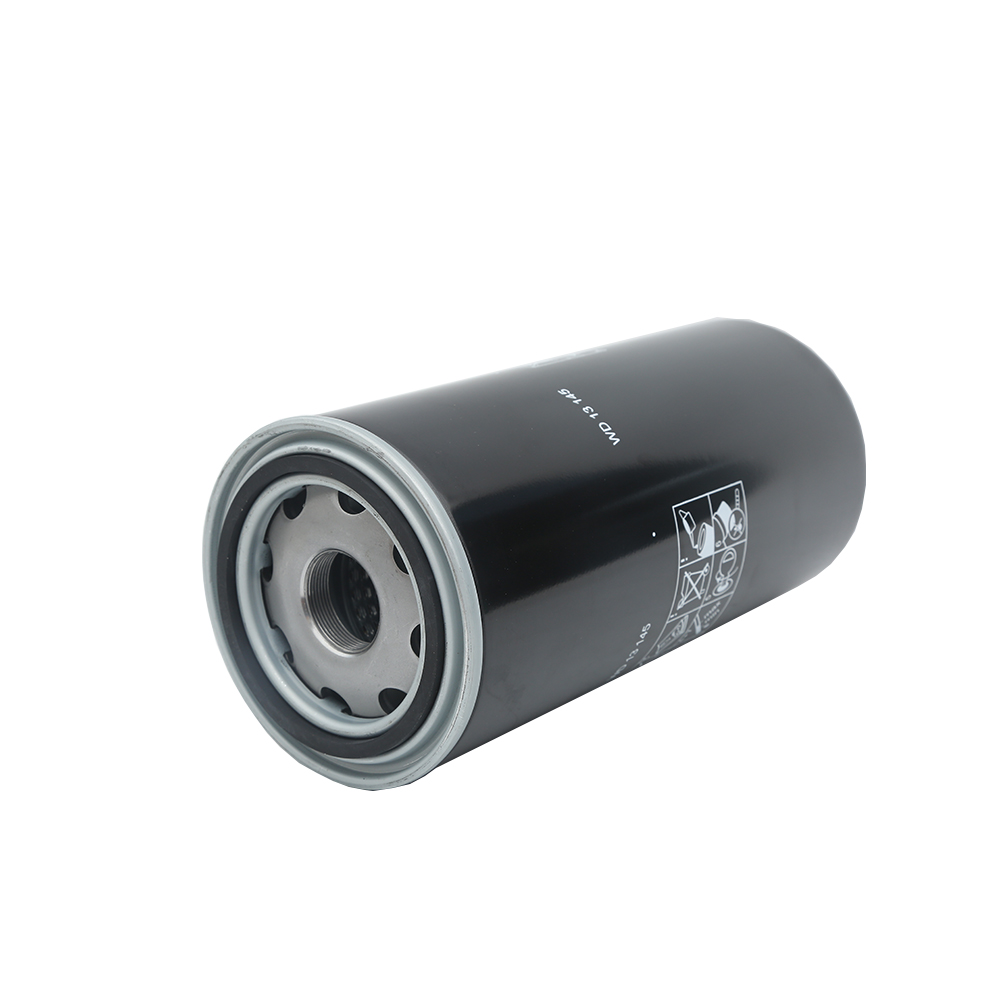
3. Oil Filter Replacement: Replace the oil filter simultaneously with the lubricant change. Before installation, apply a thin layer of new oil to the sealing ring to ensure a proper seal; after tightening, run the machine to check for any oil leaks.
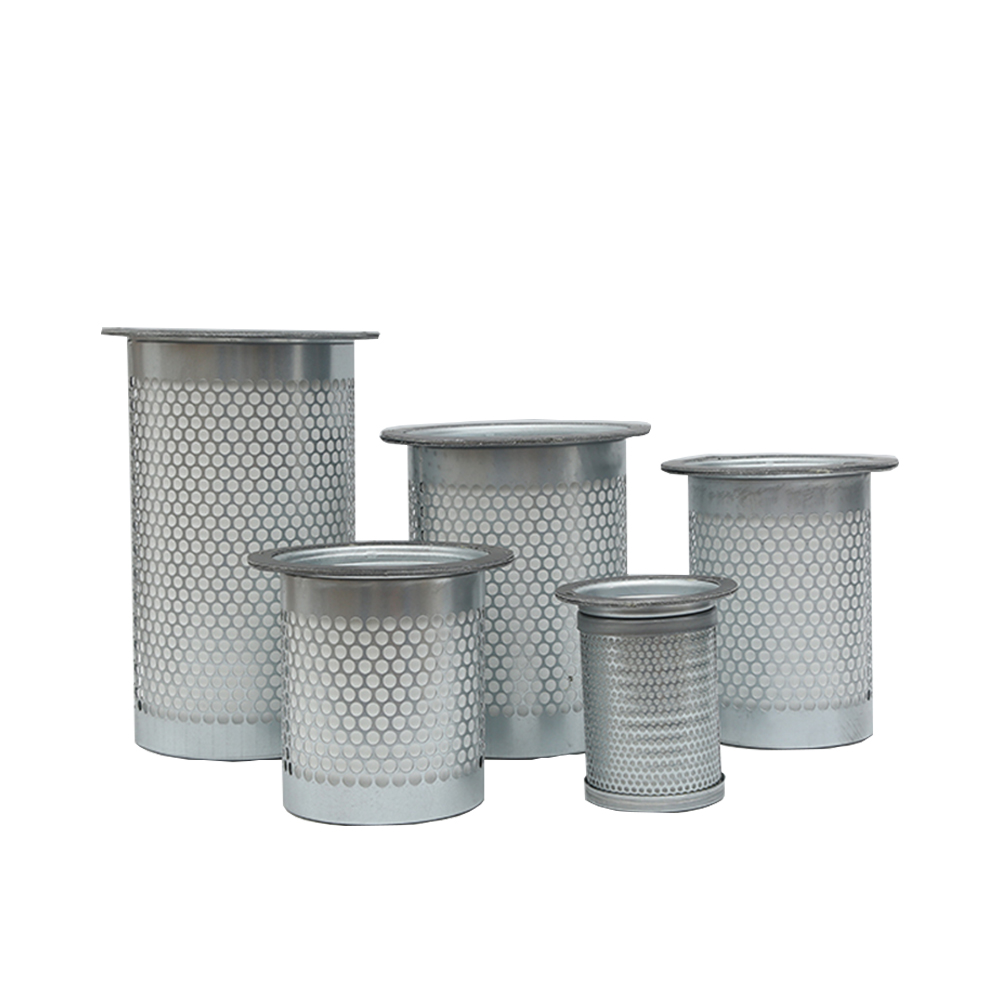
4. Oil Separator Element Replacement: Remove the top cover of the oil-gas separator tank, extract the old oil separator element, and install a new one.
5. Deep Cleaning of the Cooling System: For air-cooled models, disassemble the radiator, soak and rinse it with a neutral detergent, and reinstall it after drying. For water-cooled models, use a citric acid solution to circulate through and clean the pipelines, removing scale buildup and restoring heat dissipation efficiency.
6. Inspection and Replacement of Sealing Components: Inspect the main unit's shaft seal and the O-rings on all pipelines. If any signs of oil leakage are detected, replace them with oil-resistant fluororubber seals to prevent further leaks.
7. Sensor Calibration: Compare the pressure and temperature sensors against standard reference instruments. If the deviation exceeds 2%, perform calibration adjustments to ensure accurate parameter monitoring.
IV. Key Maintenance Tips for Aisa Compressors
1. Prioritize Original Consumables: During maintenance, prioritize the use of original replacement filter elements, lubricants, and seals supplied by Jiangxi Aisa Compressor. These products offer superior compatibility and reliable quality, helping to prevent equipment damage caused by inferior consumables.
2. Adjustments for Operating Conditions: In harsh environments—such as those involving excessive dust, high humidity, or high temperatures—the maintenance cycle should be shortened by 20%–50%, and the frequency of cleaning and inspections should be increased.
3. Adherence to Professional Procedures: Critical maintenance tasks (such as main unit overhauls or sensor calibration) must be performed by our company's professional technicians or authorized personnel to prevent malfunctions caused by improper procedures.
4. Immediate Response to Faults: If any anomalies are detected during maintenance (e.g., unusual noises, leaks, or parameters exceeding standard limits), immediately shut down the machine and contact the Aisa Compressor after-sales support team for rapid troubleshooting and resolution.
The routine maintenance of a screw air compressor is a systematic process—progressive in nature, with each step inextricably linked to the next. From daily basic inspections to annual comprehensive overhauls, every stage directly impacts the equipment's operational efficiency and service life.

