

Beware! Hidden Safety Risks in Screw Air Compressors
Screw air compressor, as core power equipment in industrial production, play a crucial role in manufacturing, construction, chemical, and other fields. However, if operated incorrectly or neglected in maintenance, they can easily become "invisible killers"! In recent years, accidents such as explosions, fires, and mechanical damage caused by air compressor malfunctions have occurred frequently, which is alarming. Today, we will delve into the common safety hazards of screw air compressors to help everyone take preventative measures and ensure safety!
I. High Temperature and Explosion Hazards: Air Compressors Can Also "Explode"
Whether it's a variable frequency air compressor or fixed frequency air compressor, it generates a large amount of heat during operation. If the cooling system malfunctions or the lubricating oil is insufficient, the equipment temperature may rise sharply, even causing an explosion!
Main Risk Points:
Lubricating Oil Deterioration: Lubricating oil that has not been changed for a long time may carbonize, clogging the oil passages and causing high temperatures.
Cooling System Malfunction: A blocked radiator, a damaged fan, or insufficient cooling water will all affect heat dissipation efficiency.
Abnormal Exhaust Temperature: A malfunctioning or improperly set temperature sensor may cause the high temperature alarm to fail.
Prevention Strategies:
Regularly check lubricating oil quality and replace it according to the manufacturer's instructions.
Ensure the cooling system (air-cooled/water-cooled) is unobstructed and clean the radiator regularly.
Install and regularly test high-temperature alarm devices to ensure their sensitivity and effectiveness.
II. Pressure Vessel Risks: Air Tanks as "Time Bombs"
As a core component of the air compressor system, air compressor air tank, if improperly maintained, may explode due to corrosion, overpressure, or welding defects!
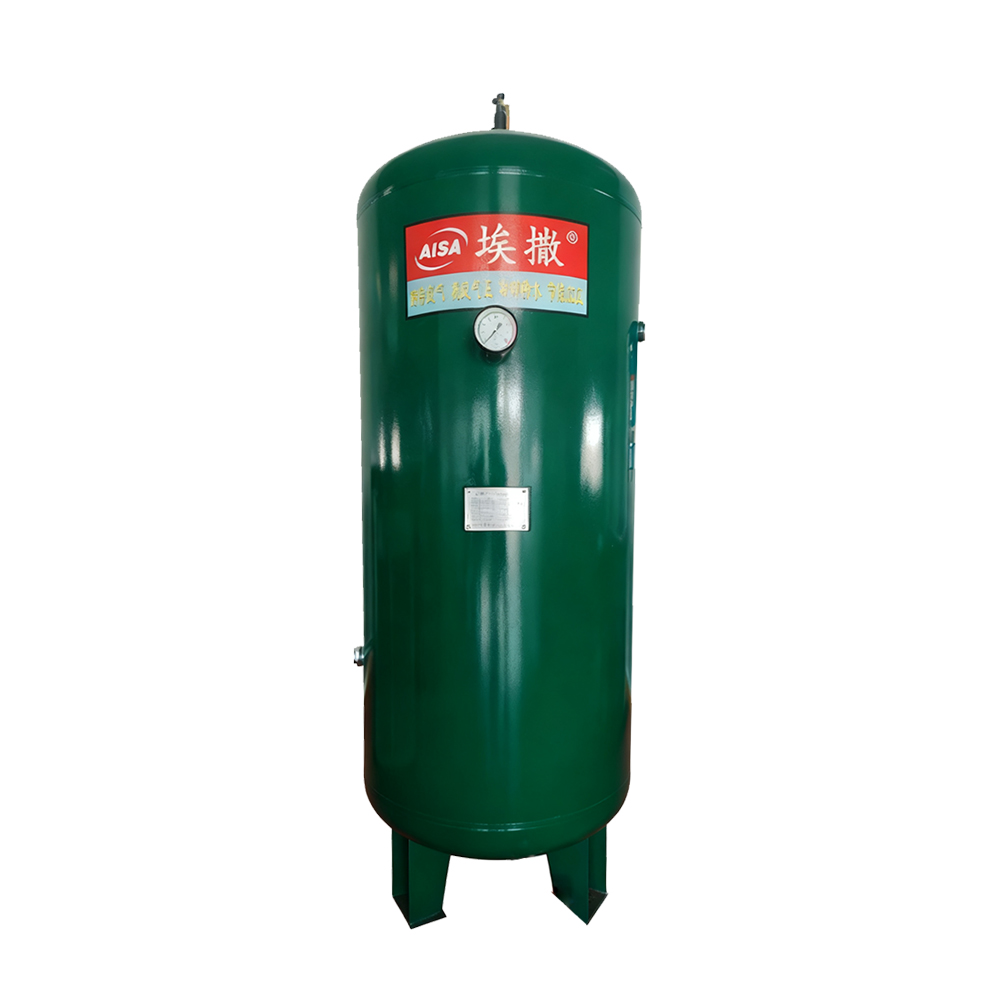
Key risk points:
Safety valve malfunction: If the safety valve is not calibrated regularly, it may not be able to release pressure in time when overpressure occurs, potentially leading to an explosion.
Tank Corrosion: Long-term operation in a humid environment may cause rust on the inner wall of the air tank, weakening its pressure-bearing capacity.
Illegal Modification: Unauthorized modification of air tanks or use of non-standard parts can easily lead to safety accidents.
Prevention strategy:
Conduct professional inspections of air compressor air storage tank annually to ensure they comply with pressure vessel safety regulations.
Regularly calibrate safety valves, pressure gauges, and other safety accessories to ensure their accuracy and reliability.
Unauthorized modification of air tanks or use of substandard products is strictly prohibited.
III. Mechanical Injury Threat: High-Speed Components Can Cause Invisible Injuries
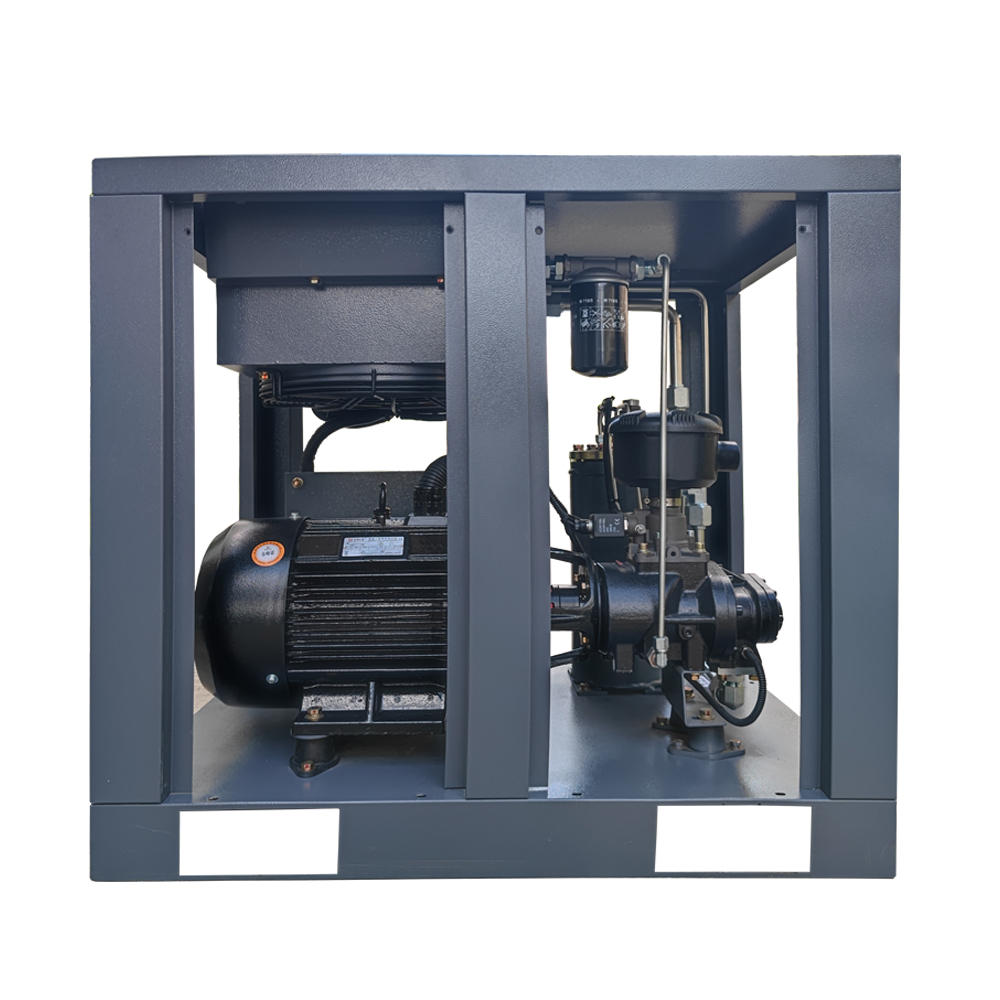
Screw air compressor contain high-speed rotating screws, belts, couplings, and other components. Inadequate protective measures can easily lead to mechanical injuries.
Key risk points:
Missing protective shield: The failure to install a protective shield after maintenance may result in limbs being caught in it.
Belt breakage: An aging or loose belt may break suddenly, causing fragments to fly and injure people.
Misoperation: Improper adjustments or cleaning of the equipment during operation may cause accidents.
Prevention strategies:
Ensure all rotating parts are equipped with intact protective covers.
Regularly inspect vulnerable parts such as belts and couplings, and replace worn parts promptly. operation of malfunctioning equipment is prohibited.
IV. Electrical Safety Hazards: Leakage and Short Circuits Should Not Be Underestimated
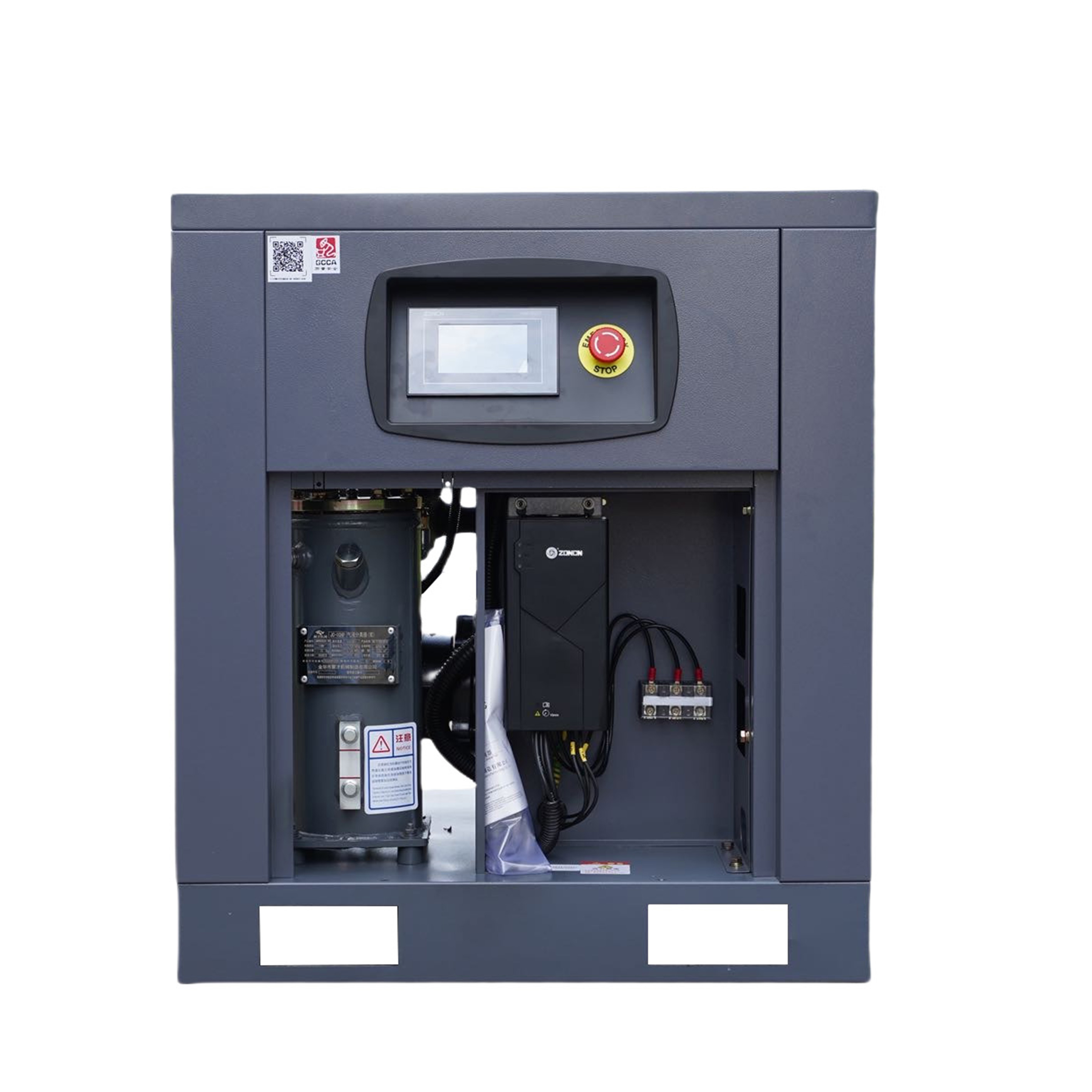
Improper maintenance of electrical components such as the air compressor's motor and control cabinet can lead to electric shock, short circuits, or even fires.
Key Risk Points:
Cable Aging: Long-term use may lead to insulation damage, increasing the risk of leakage.
Motor Overload: Without overload protection devices, the motor may burn out or even cause a fire.
Humid Environment: Moisture entering the electrical cabinet may cause short circuits.
Prevention Strategies:
Regularly inspect cables and terminals to prevent loosening or aging.
Ensure the motor is equipped with overload protection devices and perform regular functional tests.
Keep the electrical cabinet dry and well-ventilated; install moisture-proof equipment if necessary.
V. Noise and Vibration Hazards: Long-term effects cannot be ignored.
The noise level of a screw air compressor can reach over 80 decibels during operation. Long-term exposure may cause hearing damage, while severe vibration may cause equipment loosening, pipe rupture, and other problems.
Prevention Strategies:
Equip operators with earplugs, earmuffs, or other hearing protection devices.
Regularly inspect anchor bolts, pipe supports, and other fasteners to prevent loosening.
Consider installing soundproof covers or vibration damping pads to reduce the impact of noise and vibration on the environment and equipment.

