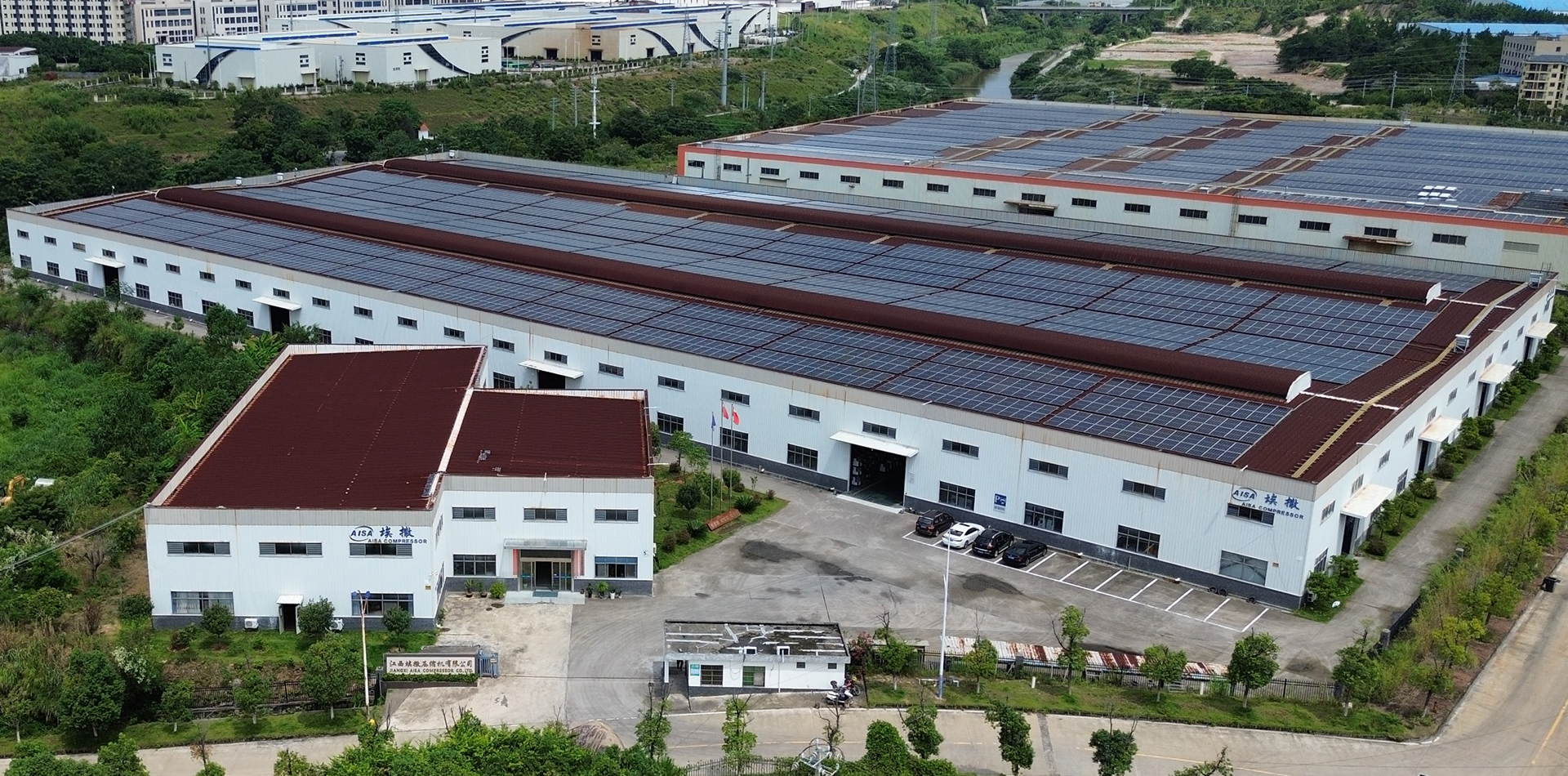
The Screw Air Compressor Industry Responds to Changing Demands
Today, walk into almost any factory, and you're likely to hear the hum of a screw air compressor. This equipment goes largely unnoticed until it stops running.The industry behind these machines has been quietly evolving. Instead of making a big show of change, they're responding to questions factory managers and owners have been asking for years: Can we achieve the same output with less electricity? Can this machine operate on three shifts? What if it breaks down?
The Changing Reality
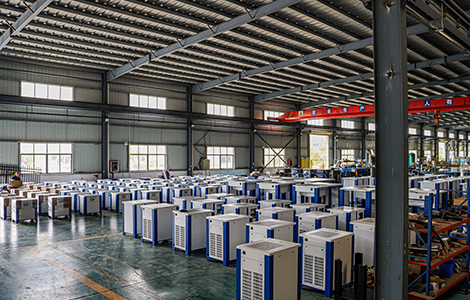
If you talk to manufacturing plant owners, you'll hear a pattern. The old way of choosing air system size—buying the largest compressor you can install and keeping it running—is no longer suitable. Electricity bills force them to take the issue seriously.Some factories are starting to consider variable frequency air compressor that automatically reduce power when demand drops. Not because the technology is new or exciting, but because their air usage is unpredictable. Production lines start and stop, shifts change. On weekends, air demand drops significantly. For them, spending money to compress air only to release it into the atmosphere is pointless.However, some other businesses hold a different view. Their operations are stable. Same machines, same shifts, same demand day after day. For them, the simpler solution still works: fewer electronic components, less troubleshooting, and a proven track record they've built.
Both approaches are valid. The key lies in the specifics of daily operations.
The People Behind the Equipment
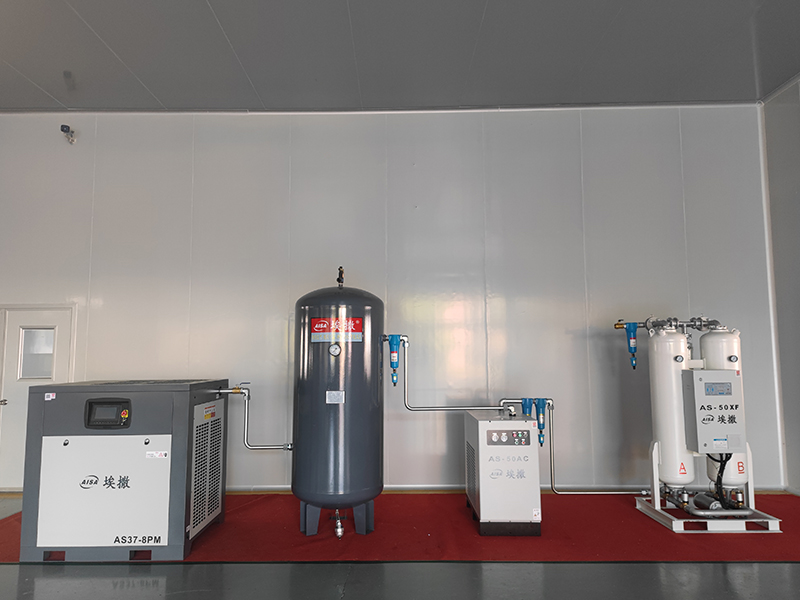
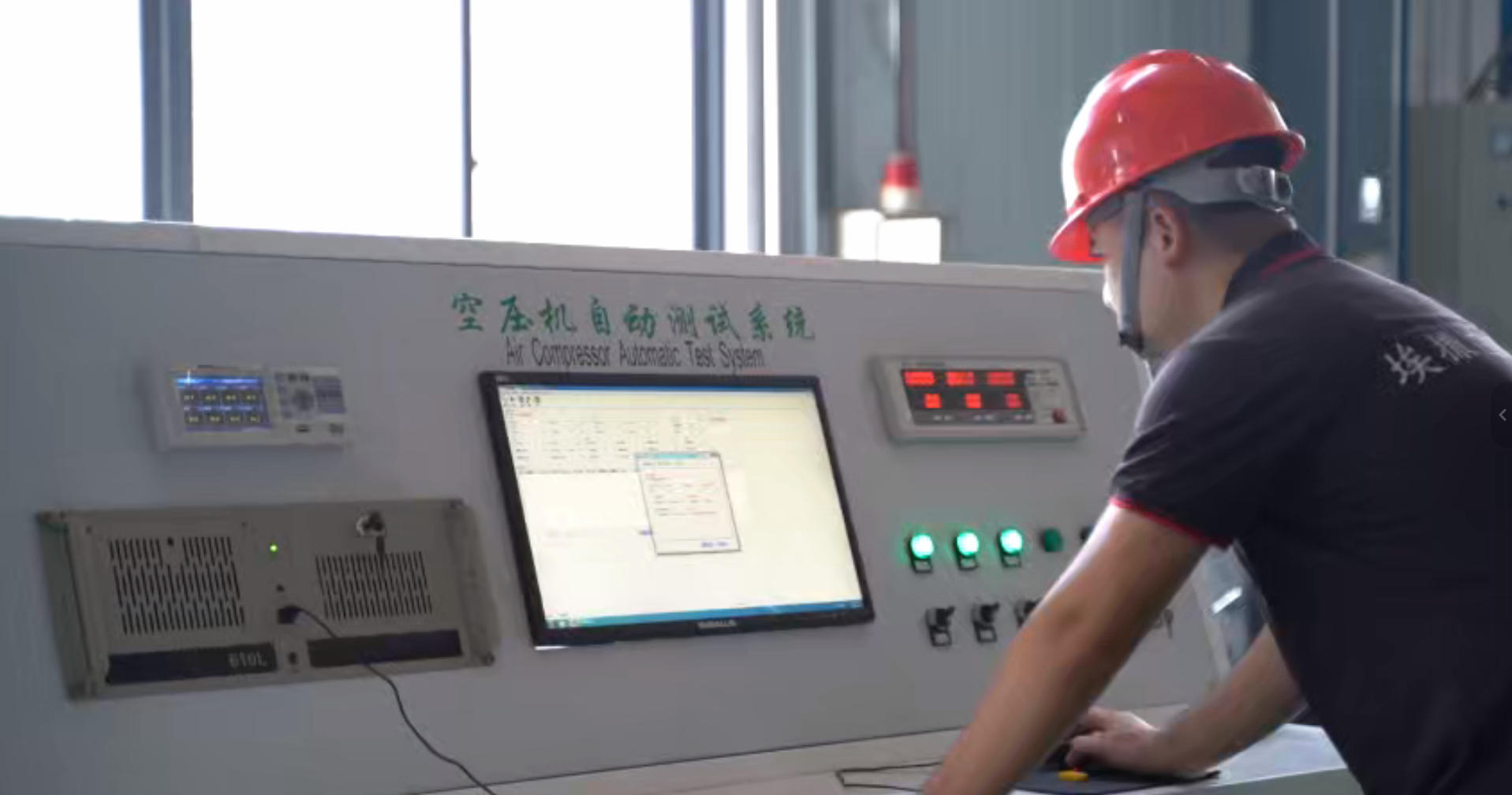
There's also behind-the-scenes work in this business that isn't reflected in the specifications. For example, the technicians who arrive at the scene at 2 a.m. when a machine breaks down; the assembly workers who spot problems with connectors before the product leaves the factory; and the salespeople who listen attentively to customers explaining the cause of their last inverter screw air compressor failure.In an industry filled with horsepower and cubic feet per minute flow rates, it's easy to forget that all of this relies on the hard work of professionals. A high-performance compressor is important, but the installers, maintenance personnel, and those who answer the phone when a breakdown occurs are equally crucial.
Future Outlook
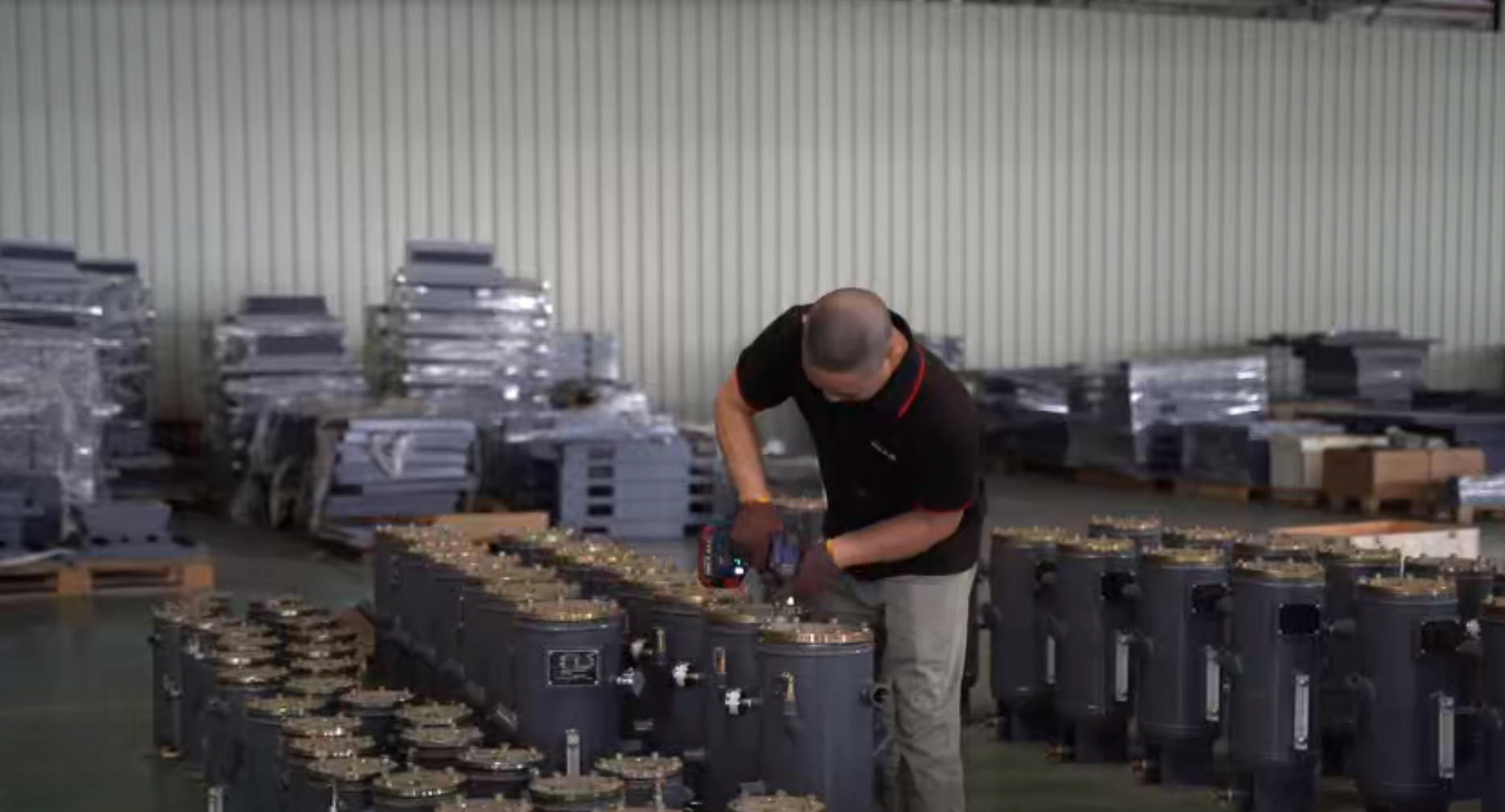
No one can predict the future, but a few things seem likely. Energy costs won't decrease, production schedules won't be simplified, and the fundamental need for reliable compressed air won't disappear. Manufacturers constantly refine their designs—better rotor coatings, more efficient separation, control systems that require no engineering degree to operate. But the fundamental principles remain constant: manufacture reliable products, ensure timely availability of spare parts when needed, and never disappoint customers.Companies that consistently adhere to these principles are likely to thrive. Those that ignore them, no matter how advanced their technology, will likely struggle to survive. This is not complicated, but it doesn't mean it's easy.