

Standardized Assembly Process for Screw Air Compressor: From Components to Complete Unit
Jiangxi AISA Compressor Co., Ltd.'s production base employs standardized manufacturing processes to ensure that every screw air compressor boasts superior performance and long-term operational reliability. The production process encompasses comprehensive quality control, from component inspection to complete unit testing.
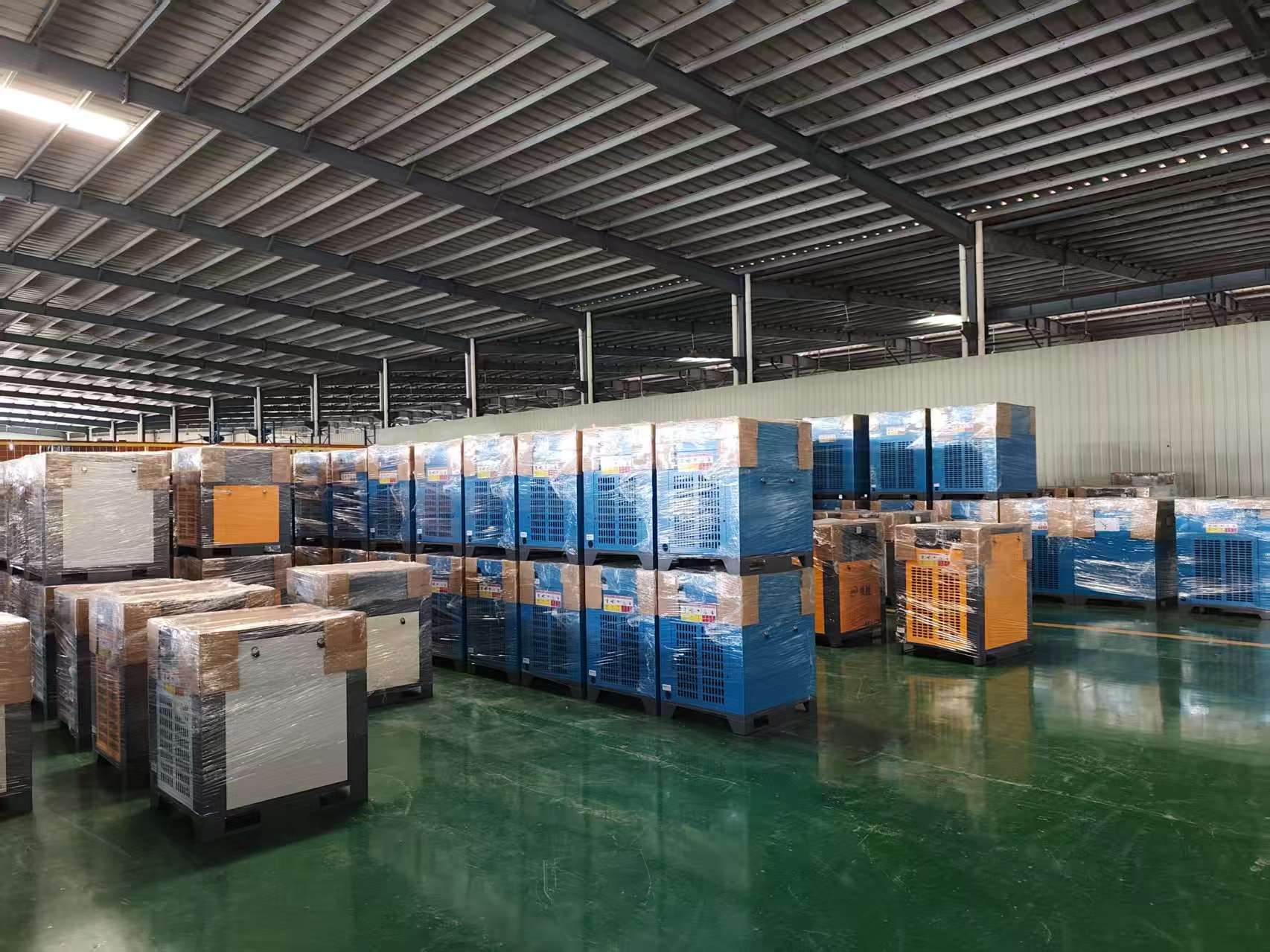
Core Component Assembly: Precision Assembly of the Main System
Rotor Assembly Installation
Each pair of male and female rotors undergoes precise measurement before assembly to ensure that the fit clearance meets design standards. Rotor bearings are installed using a heat-fitting process, with heating temperature and time strictly controlled according to process requirements to ensure optimal fit between the bearing inner ring and journal. After installation, a dynamic balancing test is performed, with the imbalance controlled within 0.5g.
Main Unit Housing Assembly
The main unit housing is assembled in a temperature-controlled workshop to ensure dimensional stability. The mating surfaces of the housing and rotor are machined with high precision, achieving a surface roughness of Ra0.8. Specialized tooling is used during assembly to ensure coaxiality, with radial runout less than 0.02mm. The sealing assembly employs a multi-layered sealing structure to effectively prevent compressed air leakage.
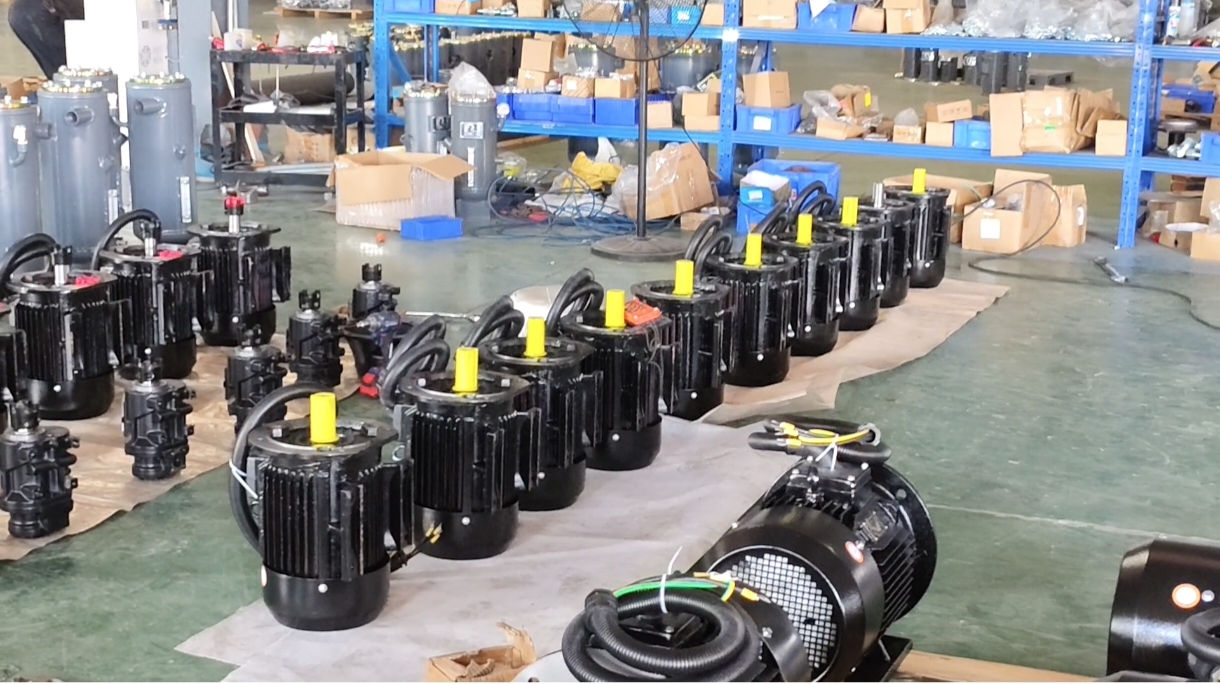
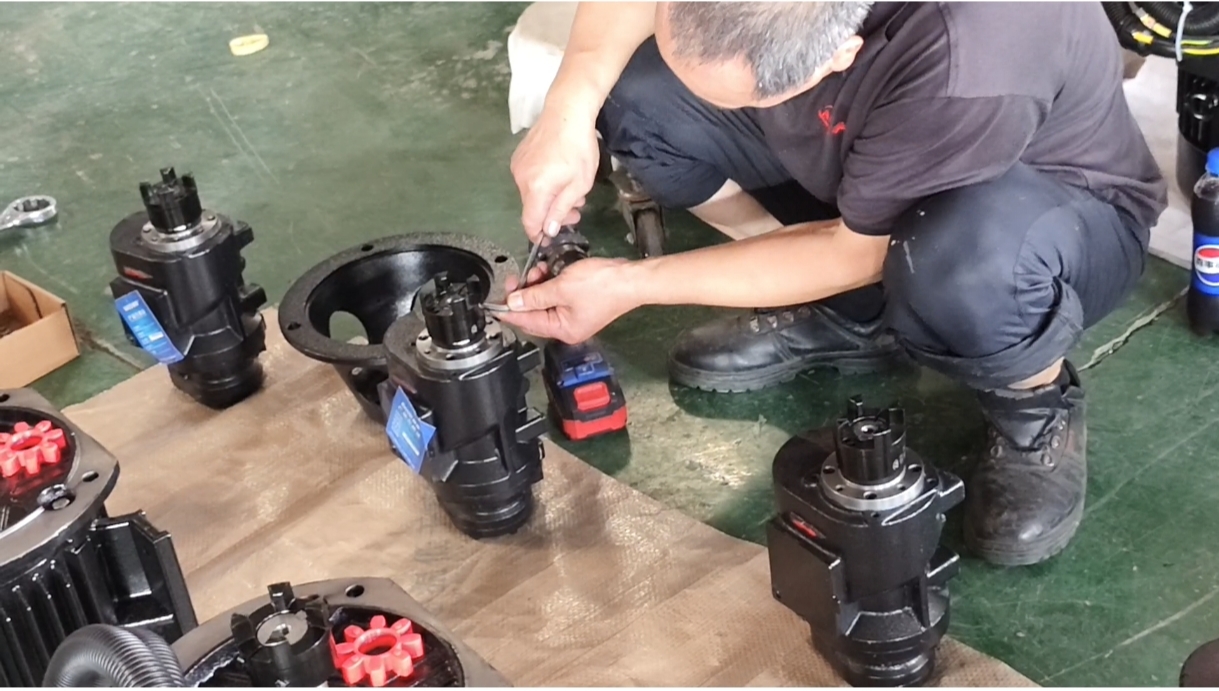
Power System Integration: Precise Interlocking of Motor and Transmission Device
Coupling Installation
The coupling between the motor and the main unit is installed using laser alignment technology to ensure that the concentricity error of the two shafts does not exceed 0.05mm. The coupling bolts are tightened progressively in a diagonal sequence until the torque value meets design requirements. After installation, a manual rotation test is performed to ensure smooth rotation without jamming.
Cooling System Assembly
The cooler core undergoes a pressure test before assembly to ensure no leakage. The cooling fan uses a vibration-damping installation method to reduce operating vibration. The cooling pipes are made of stainless steel, and the connections are sealed with sealant and tightened with a torque wrench to prevent coolant leakage. After system assembly, a flow test is performed to ensure that the cooling effect meets standards.
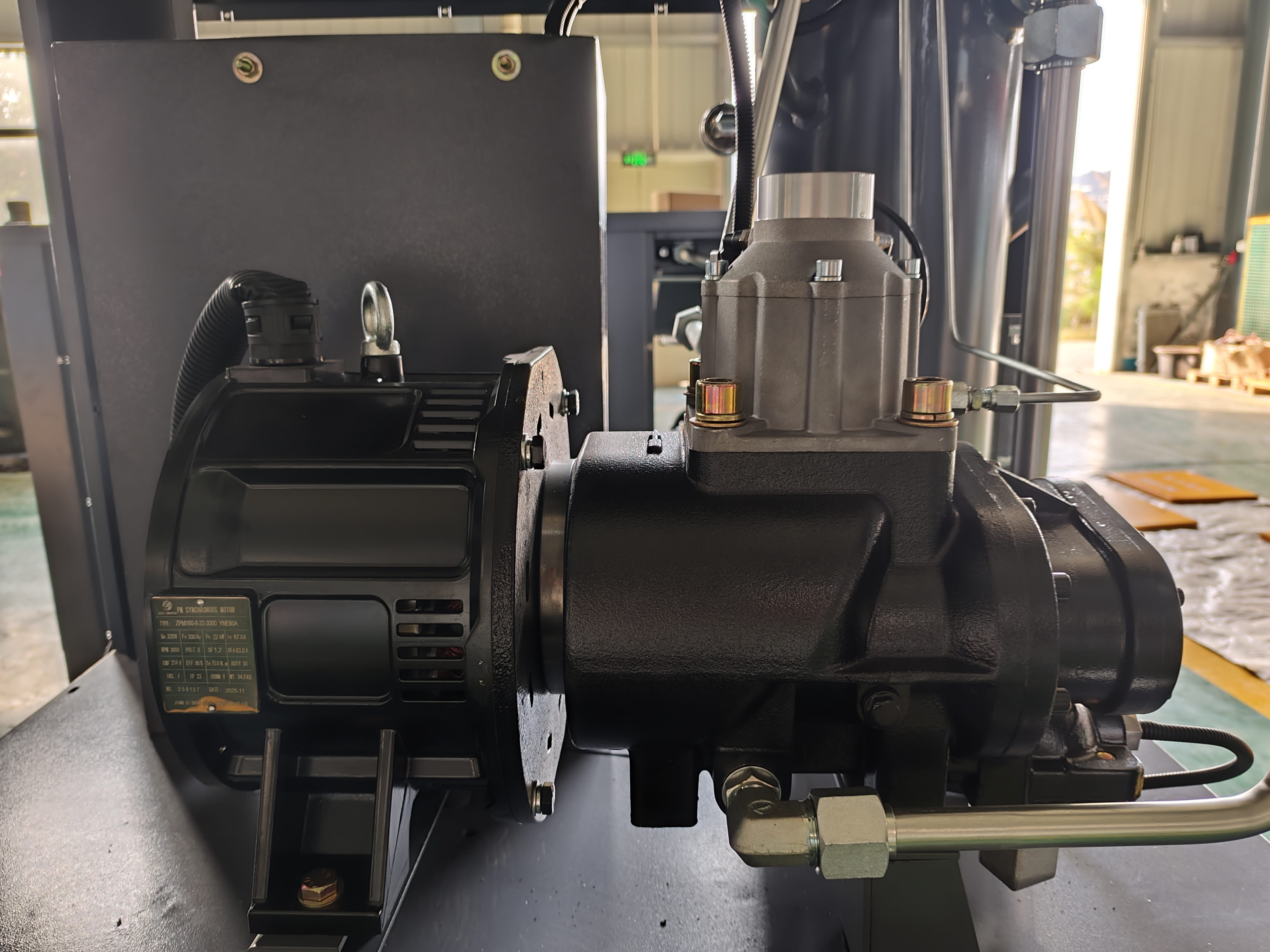
Control System Installation: Integration of Intelligent Management Platform
Electrical Cabinet Assembly
Electrical components are installed on an anti-static workbench, and the wiring terminals use a crimping process to ensure reliable connections. Control circuits and power circuits are laid out separately to avoid signal interference. The PLC control system program is pre-written and simulated to ensure logical correctness.
Sensor Installation: Pressure, temperature, and vibration sensors are installed in designated locations and calibrated before installation. Shielded cables are used for sensor signal lines, and connectors are waterproofed. Signal testing is performed after all sensors are installed to ensure accurate data acquisition.
Oil-Gas Separation System: A Key Link in Ensuring Compressed Air Quality
Air Compressor Oil Separator Element Installation: The screw air compressor oil separator core is installed in a clean environment to prevent contaminants from entering. The separator housing uses a segmented fastening method to ensure even stress on the sealing surface. The return oil line is transparent for easy observation of the oil circuit status. A sealing test is performed after installation, maintaining pressure for 15 minutes without drop.
Lubricating Oil System Assembly: Oil lines are acid-washed and passivated before installation to remove impurities and oxide layers. The air compressor oil filter uses a spin-on design, with installation torque meeting standard requirements. A level sensor and temperature sensor are installed in the oil tank to monitor oil status in real time. After system completion, a circulation flush is performed to ensure oil circuit cleanliness.
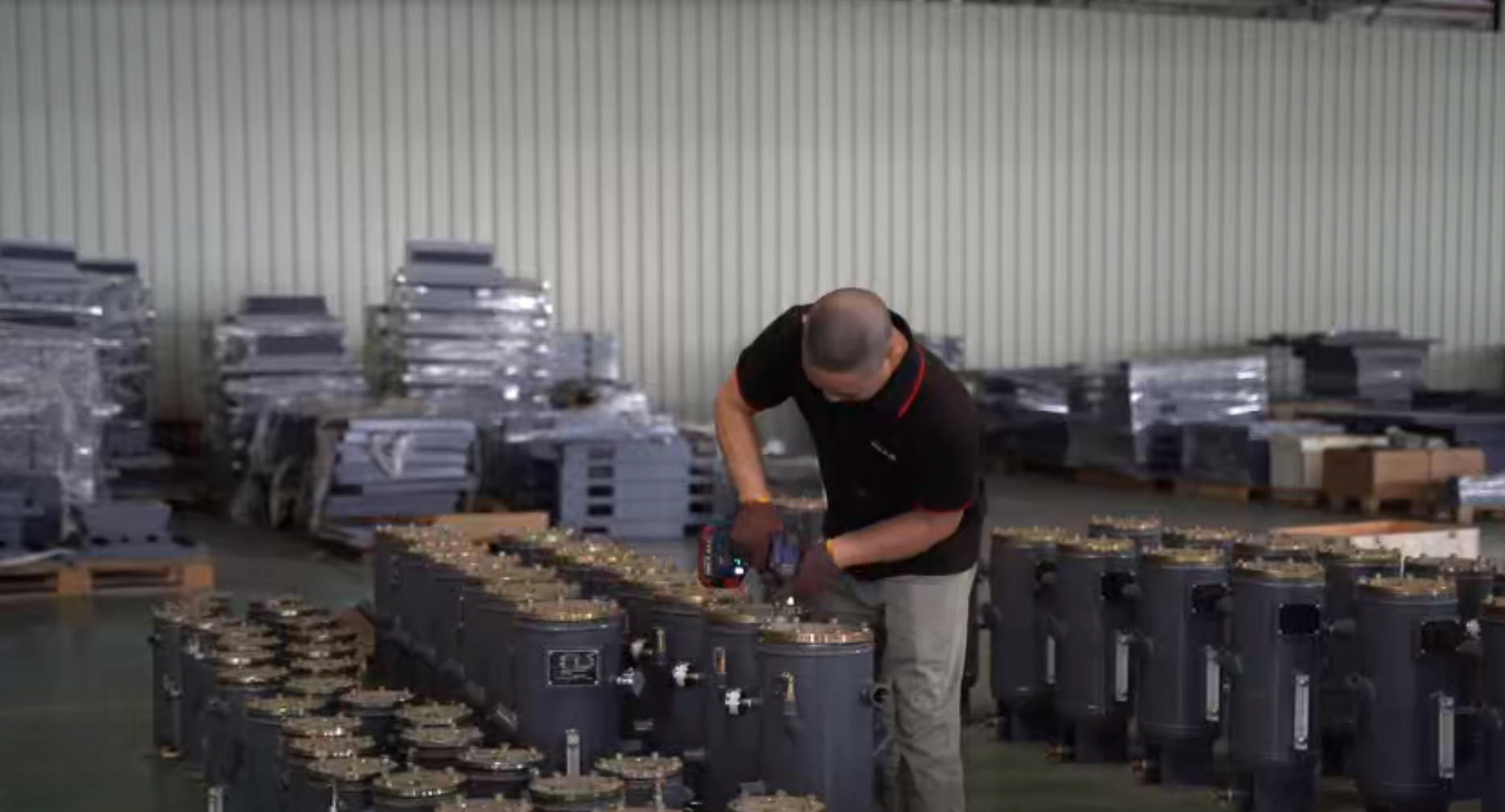
Final Assembly and Testing: The Final Step in Quality Assurance
External Component Installation: The protective cover uses a modular design for convenient installation and a neat appearance. Vibration damping pads are selected with appropriate hardness according to load requirements to effectively isolate equipment vibration. The intake filter is installed on a specially designed bracket for easy daily maintenance and replacement.
Factory Testing Process: Each screw air compressor undergoes four key tests:
No-load test: 2 hours of operation to monitor vibration and noise levels;
Load test: 4 hours of continuous operation at rated pressure, recording operating parameters;
Performance test: Measurement of key indicators such as exhaust volume and specific power;
Safety test: Verification of the reliability of various protection functions. Test data is automatically recorded and a test report is generated. Only after all parameters meet national standards and design requirements can the compressor leave the factory.
Quality Control System: Throughout the Manufacturing Process: Jiangxi AISA adopts a full-process quality tracking system. Each component has a unique identification code, achieving traceability of the manufacturing process. Quality control points are established for key processes, including dimensional inspection, material analysis, and performance testing. The assembly workshop environment is controlled at 20±2℃ and humidity at 50%±10% to ensure assembly accuracy.
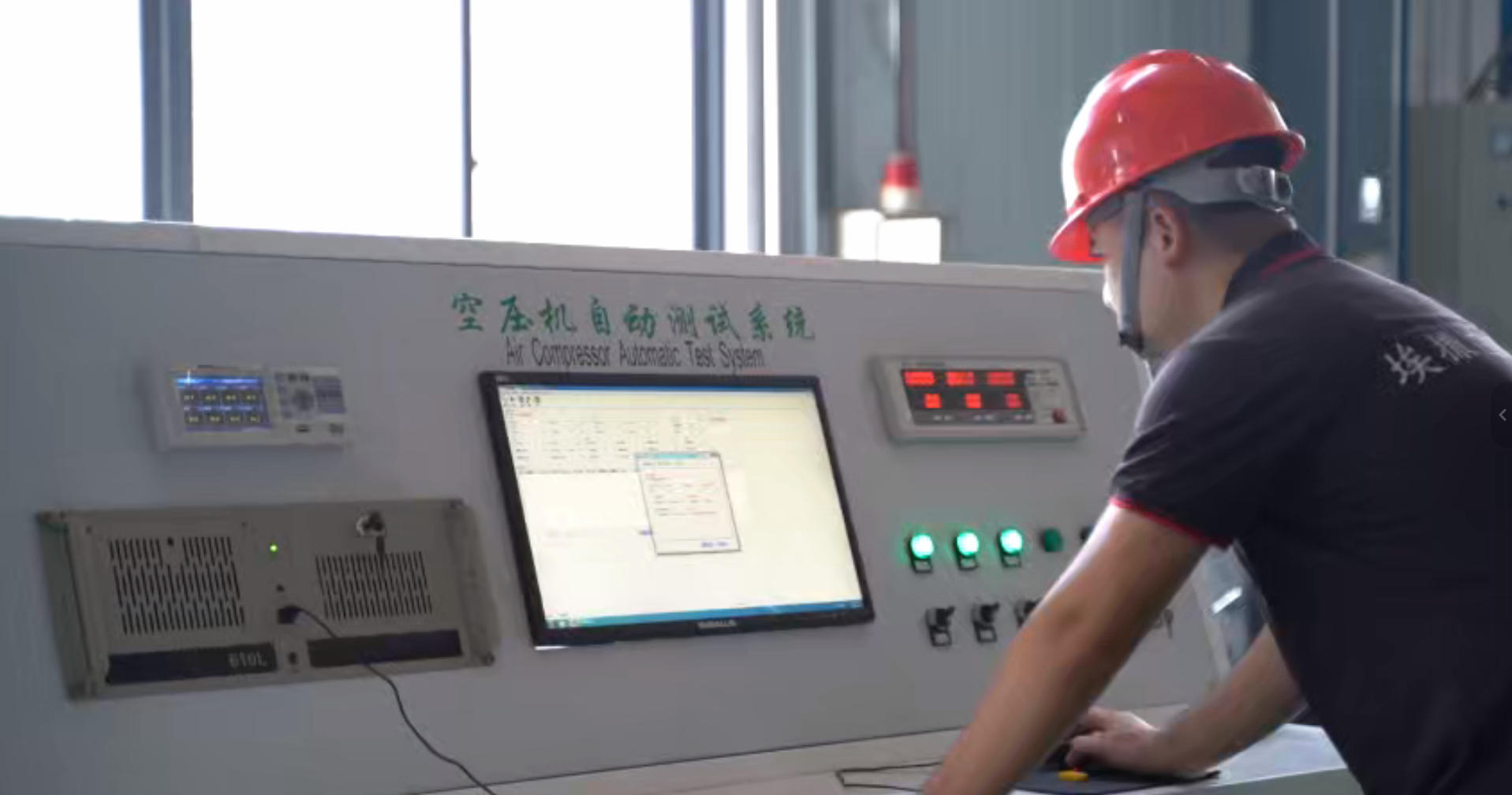
Technological Advantages: Innovative Applications in Manufacturing Processes
The production process employs several advanced technologies:
A torque management system ensures consistent tightening force for each bolt;
An automatic marking system permanently identifies product information;
Air tightness testing utilizes helium mass spectrometry leak detection technology with a detection accuracy of 10⁻⁶ Pa·m³/s;
A vibration testing system can detect abnormal vibrations as small as 0.01 mm.
Manufacturing Capacity Guarantee: Support from a Modern Production Base
The 33,000-square-meter production base is equipped with professional assembly lines, with a planned annual capacity of 20,000 units. The workshop layout is designed according to the process flow, optimizing material flow routes and improving assembly efficiency. Key workstations are equipped with assisted robotic arms to reduce labor intensity and ensure consistent assembly quality.

