

A Comprehensive Analysis of Air Compressor Failure Causes: In-depth Investigation of Hidden Dangers in Multiple Stages
In the grand scheme of industrial production, the air compressor acts as a powerful "heart," continuously supplying compressed air—a crucial power source—to numerous devices and processes. Its stable operation is a strong support for efficient production line operation and stable product quality. However, reality often falls short of expectations. Frequent air compressor failures act like hidden "stumbling blocks," disrupting production rhythms, increasing maintenance costs, and even potentially causing safety accidents. A thorough investigation into the root causes of screw air compressor failures has become an urgent need to ensure smooth industrial production and improve enterprise economic efficiency. Next, we will analyze the various causes of air compressor failures from multiple key levels.
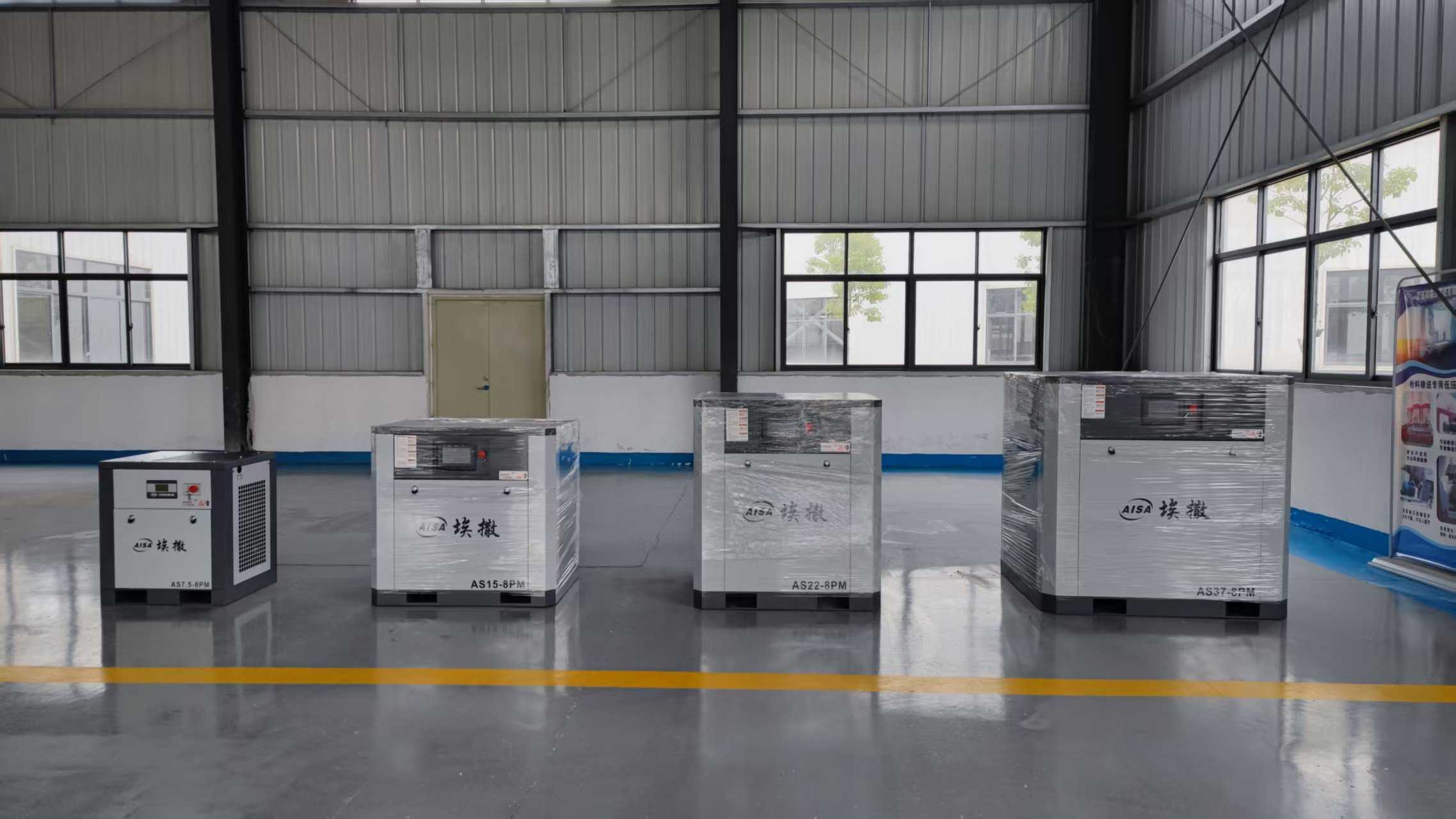
I. Mechanical Level: Hardware Wear and Structural Hazards
(I) Wear of Moving Parts
High-speed friction in moving parts such as pistons and connecting rods, such as wear between piston rings and cylinder walls, increases clearance, leading to poor sealing, reduced compression efficiency, and severe wear may even cause breakage, triggering a chain of failures. Bearing wear can cause unstable shaft operation, generating vibration and noise, and even leading to shaft bending and deformation.
(II) Transmission Component Failures
In belt drives, belts loosen over time, slipping and accelerating wear. Improper tension affects bearing life and power transmission. In gear drives, the tooth surfaces are subjected to pressure and friction; wear and pitting affect transmission smoothness, and broken teeth can paralyze the transmission system.
(III) Structural Design and Manufacturing Defects
Unreasonable structural design, such as poor cylinder heat dissipation, leads to heat accumulation that alters the properties of lubricating oil, accelerating component wear. Poor manufacturing processes, such as insufficient machining precision and unsuitable materials for parts, affect fit clearances and service life.
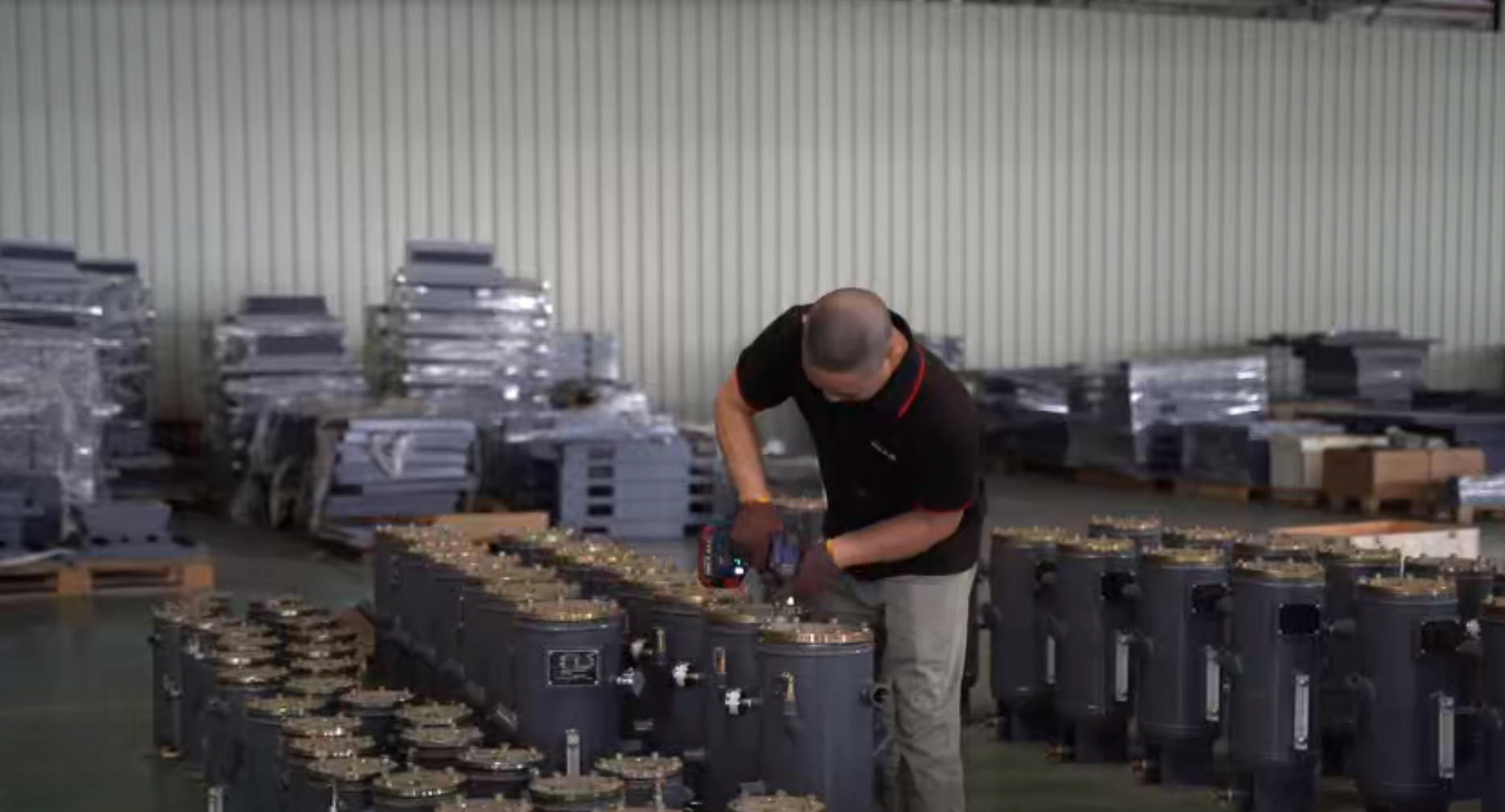
II. Electrical Aspects: "Electronic Wave Interference" in Power Supply and Control
(I) Power Supply Fluctuations
Low voltage reduces motor speed and increases current; excessively high temperature accelerates insulation aging and may even burn out the motor. Excessive voltage reduces insulation performance and increases core losses, affecting normal operation. Unstable power supply frequency affects motor speed and torque, causing unstable compressed air pressure and flow.
(II) Motor-Related Malfunctions
Short circuits, open circuits, and grounding faults in the motor windings affect normal operation; bearing damage and fan malfunctions cause unstable motor operation, poor heat dissipation, and accelerated insulation aging. Improper motor selection and prolonged overload operation accelerate damage.
(III) Control System Malfunctions
Pressure sensor malfunctions prevent the controller from accurately acquiring pressure information, leading to abnormal compressed air pressure. Controller program errors and contactor malfunctions affect motor start-stop, causing abnormal air compressor operation.
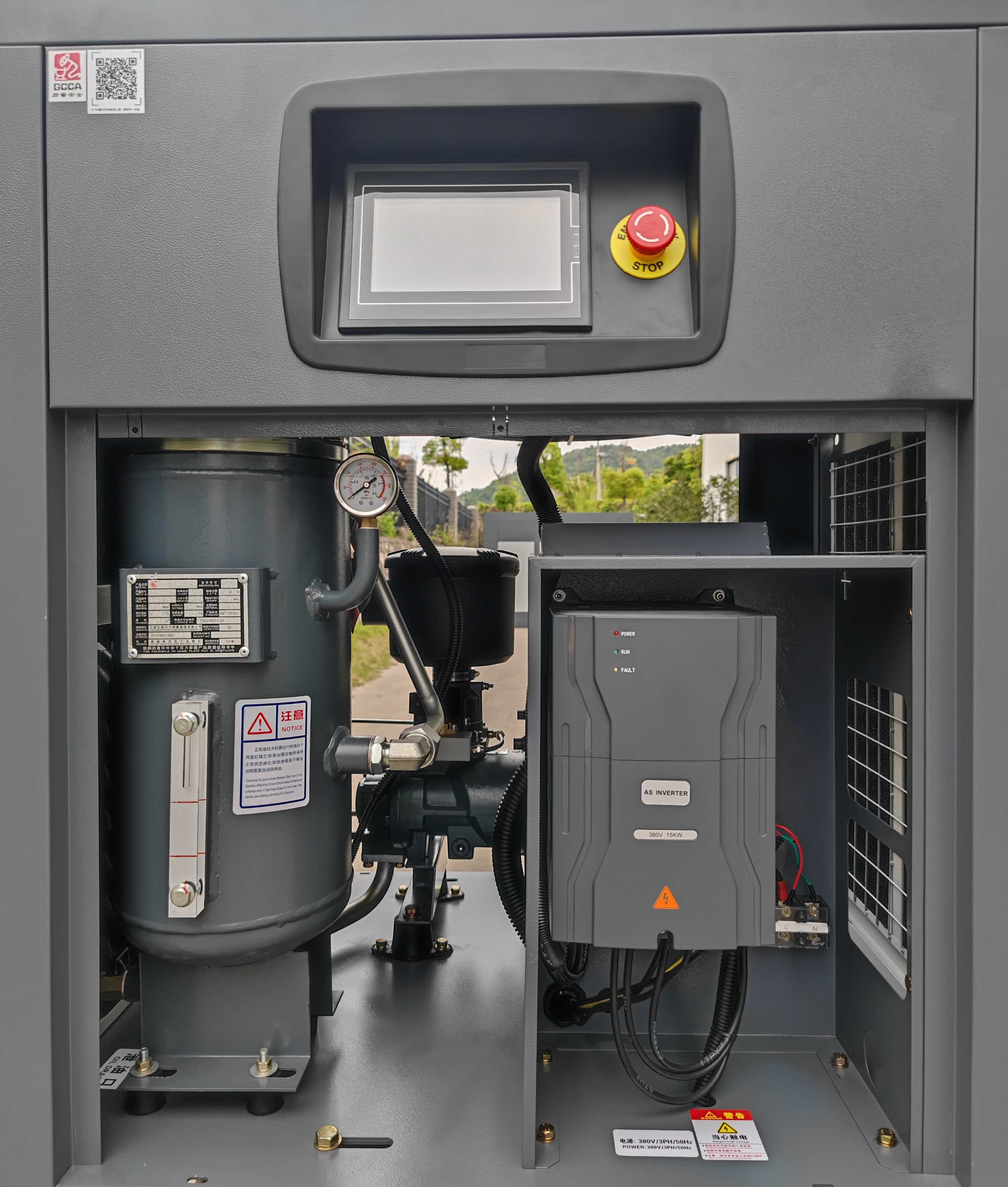
III. Environmental Factors: The "Erosion" of Harsh Working Conditions
(I) High-Temperature Environments
High temperatures reduce lubricant viscosity, resulting in poor lubrication and accelerated component wear; reduced motor insulation performance and poor heat dissipation create a vicious cycle, increasing the risk of insulation breakdown.
(II) Dust Pollution
Dust clogs the air compressor air filter, reducing filtration efficiency; dust enters the cylinder, forming abrasive particles that accelerate wear; it contaminates the lubricating oil, clogging oil passages and affecting heat dissipation.
(III) Corrosion in Humid Environments
Moisture condenses into liquid water during compression, forming an emulsion with the lubricating oil, reducing lubrication performance; it also corrodes metal parts, reducing strength and sealing.
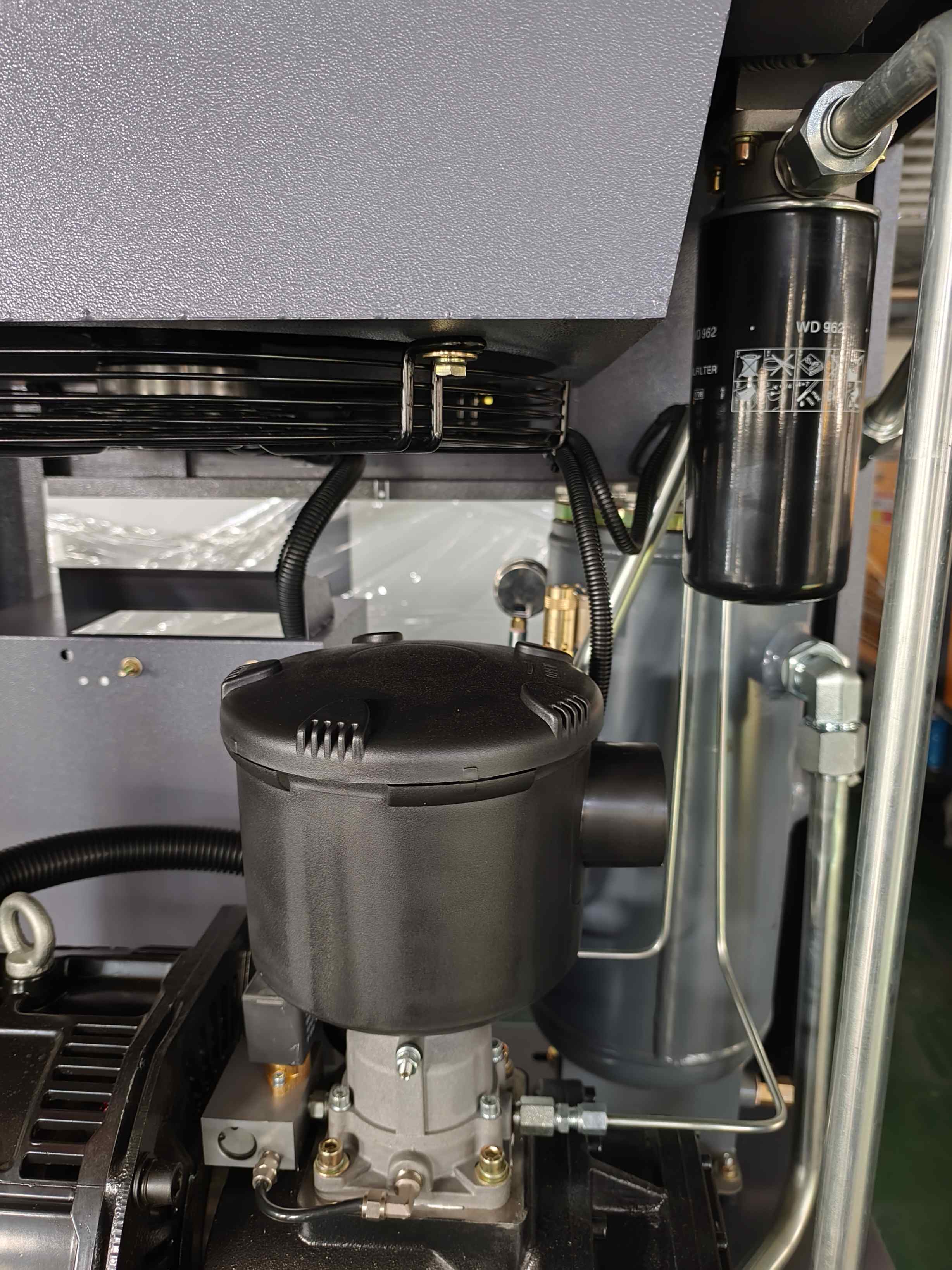
IV. Operation and Maintenance: Human Negligence
(I) Improper Operation and Damage
Failure to preheat before startup causes impact to transmission components; frequent starts and stops keep the motor and compressor under high load for extended periods; failure to adjust operating parameters in a timely manner leads to poor compressor operation.
(II) Inadequate Maintenance and Upkeep
Failure to replace the air compressor air filter on time reduces air intake and accelerates component wear; untimely replacement of lubricating oil and air compressor oil filter results in poor lubrication and oil circuit blockage; failure to conduct regular cleaning and inspection affects heat dissipation and transmission.
(III) Damage Caused by Improper Maintenance Methods
When changing lubricating oil, improper selection or failure to completely drain old oil contaminates the new oil; using unsuitable cleaning agents or methods during cleaning corrodes metal parts and damages seals.
Screw air compressor failures are complex and involve multiple aspects. Enterprises should carefully select and procure equipment, create a favorable operating environment, strengthen operator training, establish and improve maintenance systems, and ensure quality to ensure the stable operation of air compressors and provide a guarantee for the production and development of enterprises.

