

For any enterprise that relies on compressed air for production, the screw air compressor is the core of its power system. However, many equipment managers often face a real problem: improper or delayed maintenance can not only lead to equipment performance degradation and soaring energy consumption, but may also cause unexpected downtime, resulting in huge production losses. A scientific and standardized maintenance plan is the most effective way to ensure return on investment and achieve energy conservation and cost reduction. This article will systematically explain the core maintenance steps and crucial precautions for screw air compressors.
I. Why is Maintenance Crucial? — Beyond "Replacing Consumables" Professional maintenance goes far beyond simply replacing filters and lubricating oil. It's a comprehensive "check-up" of the equipment's health, aiming to:
Maintain High Performance: Maintain rated air output and pressure, avoiding efficiency decline due to component wear.
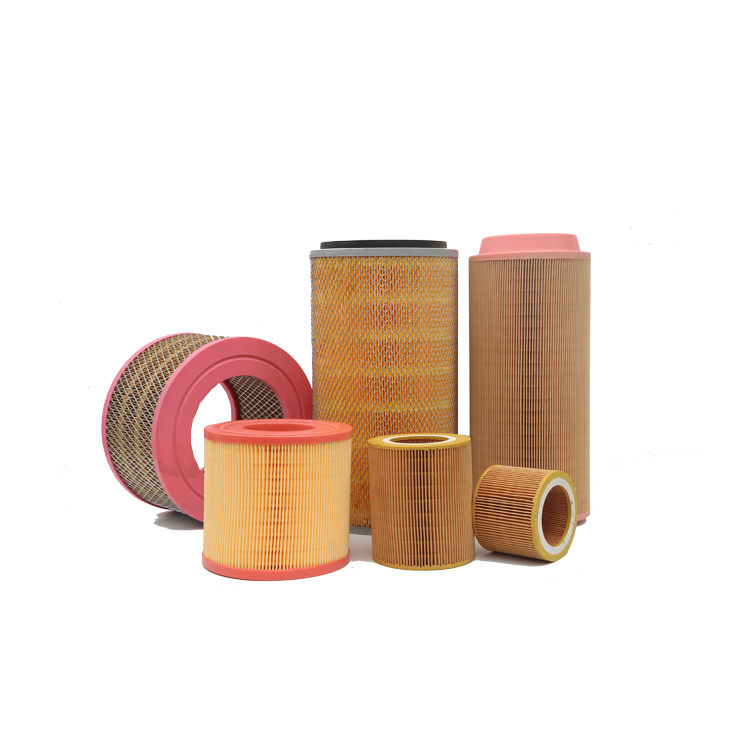
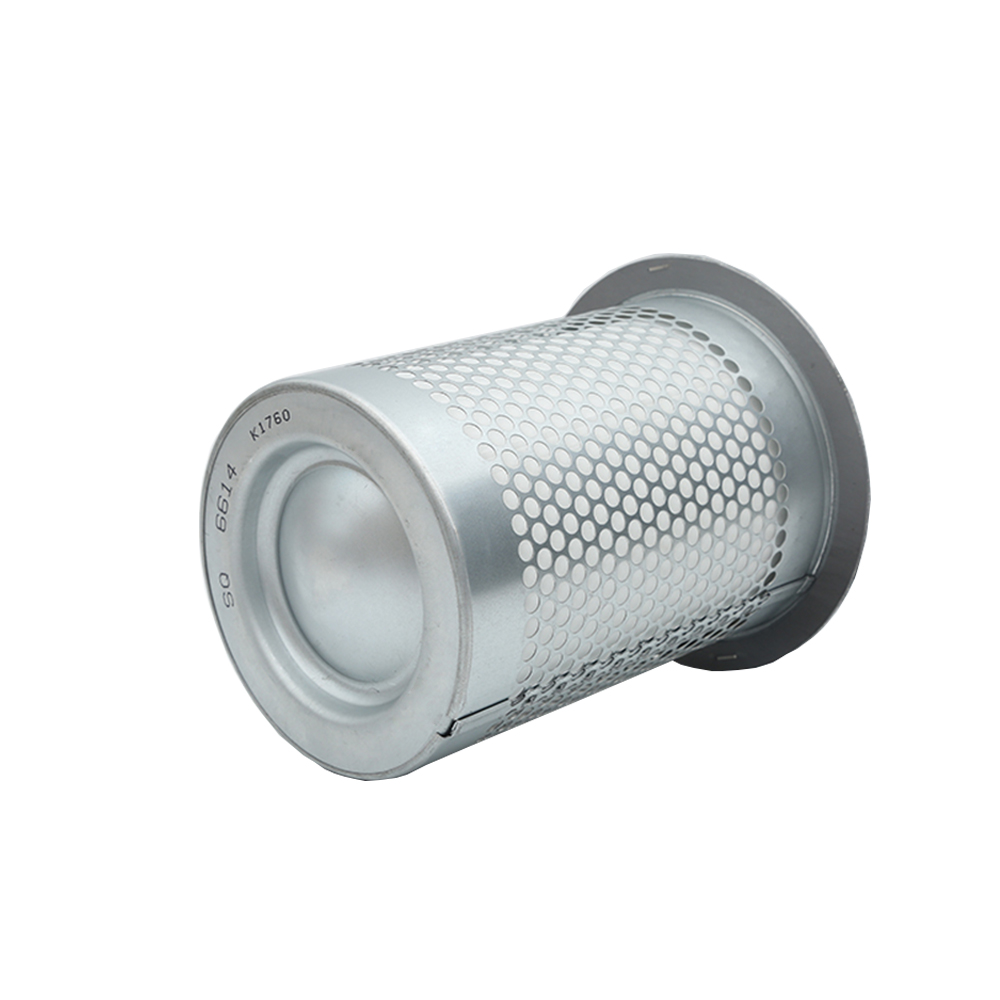
Ensure Compressed Air Quality: Ensure the air compressor oil separator and air compressor filter elements work effectively, outputting clean compressed air and protecting downstream air-using equipment.
Prevent Sudden Failures: Through regular inspections, identify and address potential problems in advance, preventing them from occurring in the first place.
Reduce overall operating costs: A properly maintained air compressor consumes less energy, has a longer lifespan, and a better total cost of ownership (TCO).
II. Core Steps for Screw Air Compressor Maintenance
Maintenance is crucial for the efficiency and lifespan of an air compressor. Regular maintenance not only improves lifespan but also extends its service life. Therefore, regular maintenance and replacement of consumables are the most basic and important steps.
Check operating parameters: Record whether the exhaust pressure, temperature, voltage, and current are within the normal range.
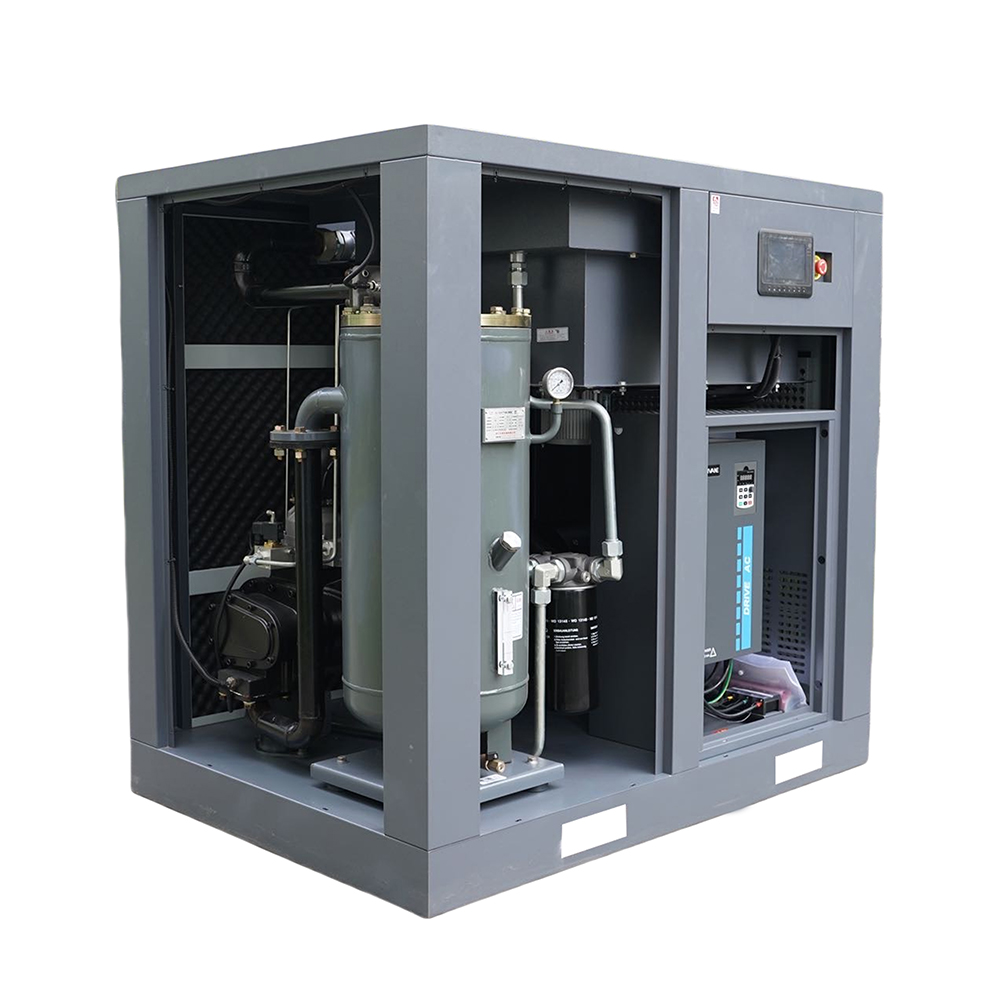
Observe condensate drainage: Confirm that the automatic drain is working properly and promptly drain condensate from the air compressor air tank and air compressor refrigerated dryer.
Listen and smell: Pay attention to any abnormal noises or burning smells.
Basic cleaning: Keep the equipment exterior and surrounding environment clean and ensure proper ventilation.
2000-hour regular maintenance: Comprehensive inspection and consumable replacement
This is the core of maintenance and it is recommended that replacements be performed or guided by professional technicians.
Replace the "three filters":
Air filter: Clogged air will increase intake negative pressure and energy consumption.
Oil filter: Ensure the lubricating oil is clean and protect the bearings and main unit. Oil-Gas Separator: A core component; damage can lead to oil leakage and excessive oil content in compressed air.
Lubricating Oil Replacement: Only use the lubricating oil specified by the equipment manufacturer.
Completely drain the old oil and clean the oil circuit. Mixing old and new oil will severely affect performance.
Safety Valve Calibration: Ensure its sensitive and reliable operation; this is a critical safety guarantee.
Motor and Electrical System Inspection: Tighten wiring terminals and check contactor contacts.
III. Key Maintenance Considerations Easily Overlooked
Many malfunctions stem from negligence of details. Please pay attention to the following points:
Use Genuine Consumables: Cheap compatible consumables cannot compare to original parts in terms of filtration accuracy, separation efficiency, and lifespan. While seemingly cost-effective in the long run, they actually cause irreversible damage to the main unit, resulting in more harm than good.
Lubricating Oil Replacement: Do not add new oil unless there is abnormal consumption. The correct approach is to replace all oil when it expires, as the lubricating oil deteriorates during operation, and mixing it with other oils will accelerate oxidation of the new oil.
Environment Determines Maintenance Cycles: In harsh operating conditions with high dust, high temperature, and high humidity, maintenance cycles should be appropriately shortened. For example, the cleaning frequency of air filters and coolers needs to be doubled.
Maintain Detailed Maintenance Logs: The time, content, replaced parts, problems found, and handling methods for each maintenance should be recorded. This is not only equipment documentation but also valuable data for predicting future malfunctions.
Pay Attention to Small Issues: Minor oil leaks, abnormal noises, or parameter fluctuations may be precursors to major malfunctions and should be investigated immediately. Never operate a machine with defects.
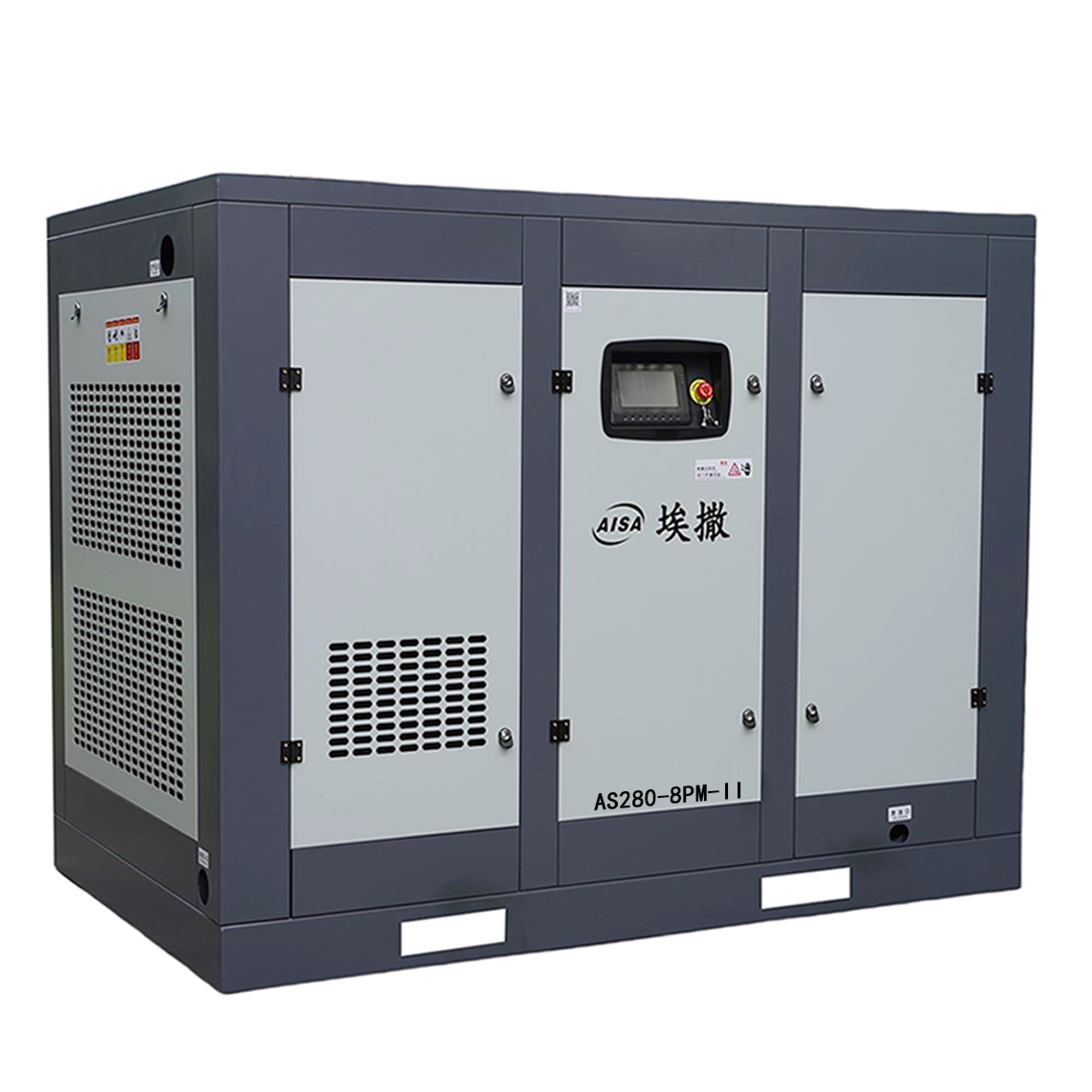
IV. Professional Maintenance is a Long-Term Investment in Production Efficiency: A high-quality screw air compressor, such as the Jiangxi AISA permanent magnet variable frequency series, requires professional maintenance to continuously realize its superior energy efficiency and reliability. Establishing and strictly implementing a scientific maintenance plan is the wisest decision any responsible equipment manager can make to reduce costs and increase efficiency for their company.

